Johann Pachelbel
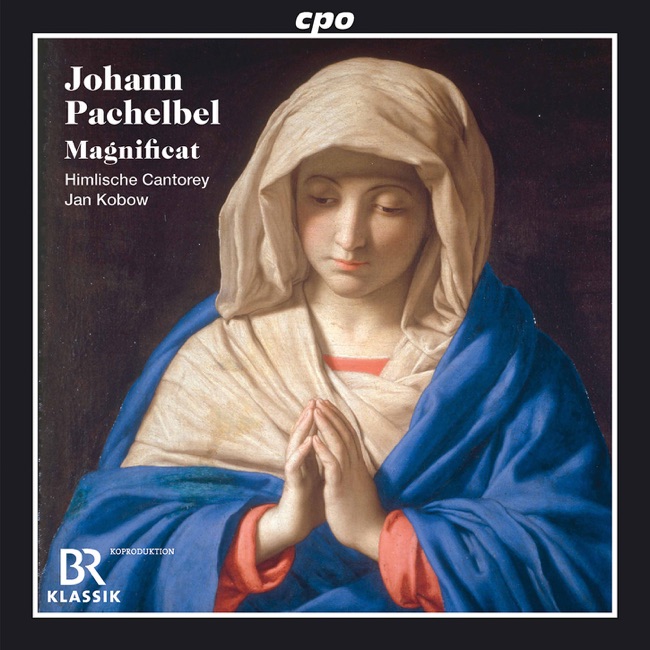
Magnificat in C major, T. 412
Released Album
Recent Album
Works Info
Composer:Johann PachelbelGenre:ChoralStyle:ChoralCompose Date:before Apr 1706Publication Date:1952Average_duration:18:20Johann Pachelbel's Magnificat in C major, T. 412, is a sacred choral work composed in the late 17th century. It is believed to have been written around 1690, during Pachelbel's time as organist at the St. Sebaldus Church in Nuremberg, Germany. The piece is scored for five vocal parts (soprano, alto, tenor, bass, and a fifth part for either alto or tenor), strings, and continuo. The Magnificat in C major is divided into twelve movements, each corresponding to a verse of the Magnificat, a hymn of praise to the Virgin Mary. The first movement, "Magnificat anima mea Dominum" (My soul magnifies the Lord), is a grand opening chorus in which all five vocal parts and the orchestra are introduced. The second movement, "Et exultavit spiritus meus" (And my spirit rejoices), is a joyful duet for soprano and alto, accompanied by the continuo. The third movement, "Quia respexit humilitatem" (For he has regarded the lowliness), is a solo for alto, accompanied by the strings. The fourth movement, "Omnes generationes" (All generations), is a lively chorus for all five vocal parts and the orchestra. The fifth movement, "Quia fecit mihi magna" (For he who is mighty has done great things for me), is a solo for bass, accompanied by the continuo. The sixth movement, "Et misericordia" (And his mercy), is a duet for soprano and tenor, accompanied by the strings. The seventh movement, "Fecit potentiam" (He has shown strength), is a chorus for all five vocal parts and the orchestra. The eighth movement, "Deposuit potentes" (He has brought down the powerful), is a solo for tenor, accompanied by the continuo. The ninth movement, "Esurientes implevit bonis" (He has filled the hungry with good things), is a duet for alto and bass, accompanied by the strings. The tenth movement, "Suscepit Israel" (He has helped his servant Israel), is a solo for soprano, accompanied by the continuo. The eleventh movement, "Sicut locutus est" (As he spoke to our fathers), is a chorus for all five vocal parts and the orchestra. The final movement, "Gloria Patri" (Glory to the Father), is a grand closing chorus in which all five vocal parts and the orchestra are featured once again. Throughout the Magnificat in C major, Pachelbel employs a variety of musical techniques, including imitative counterpoint, homophonic textures, and expressive chromaticism. The piece is characterized by its joyful and celebratory tone, reflecting the text of the Magnificat itself.More....
Works Music
Released Music
1
Magnificat in C major, m. 412
Magnificat in C PWV 1502 für Sopran 1 und 2, Alt, Tenor, Bass, 4 Trompeten, Pauken, 2 Violinen, 1 Viola, 2 Viole da Gamba, Fagott und Basso continuo
18:42