Johann Pachelbel
Chorale Prelude "Komm heiliger Geist, Herre Gott", T. 51
Released Album
Recent Album
Works Info
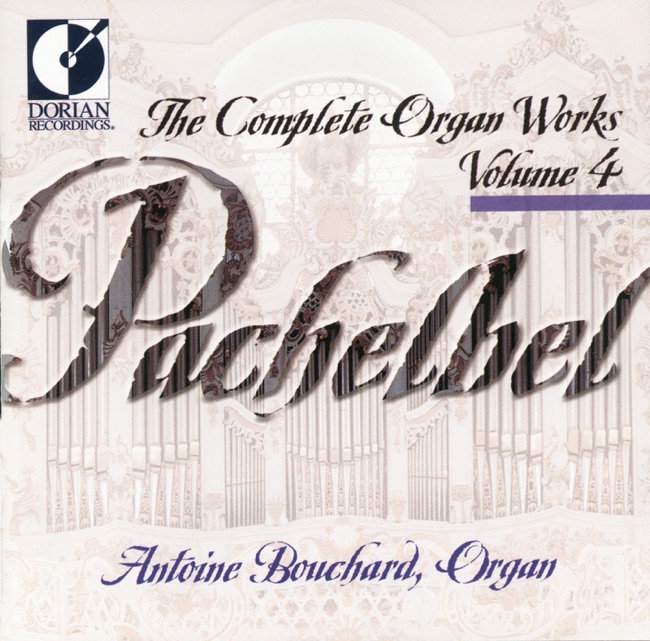
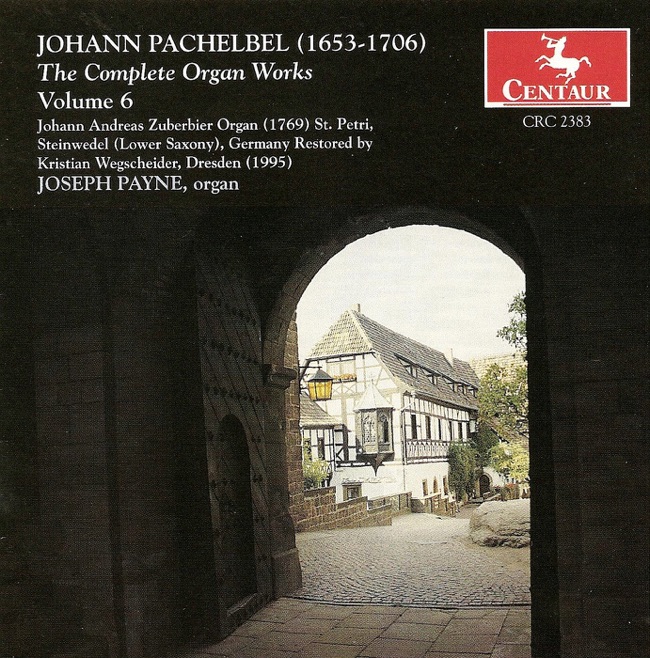
Composer:Johann PachelbelGenre:KeyboardStyle:Chorale PreludeCompose Date:before Apr 1706Publication Date:1903Average_duration:1:21Johann Pachelbel's 'Chorale Prelude Komm heiliger Geist, Herre Gott, T. 51' is a sacred organ composition that was composed in the late 17th century. The piece is based on the Lutheran hymn 'Komm, Heiliger Geist, Herre Gott' and is one of Pachelbel's most famous works. The composition is believed to have been written in 1690, during Pachelbel's time as the organist at the Predigerkirche in Erfurt, Germany. The piece was likely composed for use during church services and is a prime example of Pachelbel's skill as an organist and composer. 'Chorale Prelude Komm heiliger Geist, Herre Gott, T. 51' is a single-movement work that is divided into three sections. The first section is a slow and solemn introduction that sets the tone for the piece. The second section is a lively and energetic fugue that showcases Pachelbel's skill as a contrapuntal composer. The final section is a return to the slow and solemn mood of the introduction, bringing the piece to a peaceful and contemplative close. One of the most notable characteristics of 'Chorale Prelude Komm heiliger Geist, Herre Gott, T. 51' is its use of counterpoint. Pachelbel was a master of counterpoint, and this piece is a prime example of his skill in this area. The fugue section, in particular, is a complex and intricate display of counterpoint that is both impressive and beautiful. Another characteristic of the piece is its use of harmony. Pachelbel was known for his use of rich and complex harmonies, and this piece is no exception. The harmonies in 'Chorale Prelude Komm heiliger Geist, Herre Gott, T. 51' are lush and full, adding depth and richness to the composition. Overall, 'Chorale Prelude Komm heiliger Geist, Herre Gott, T. 51' is a beautiful and impressive work that showcases Pachelbel's skill as a composer and organist. Its use of counterpoint and harmony make it a prime example of Baroque music, and it remains a popular piece in the organ repertoire to this day.More....
Works Music