Carl Loewe
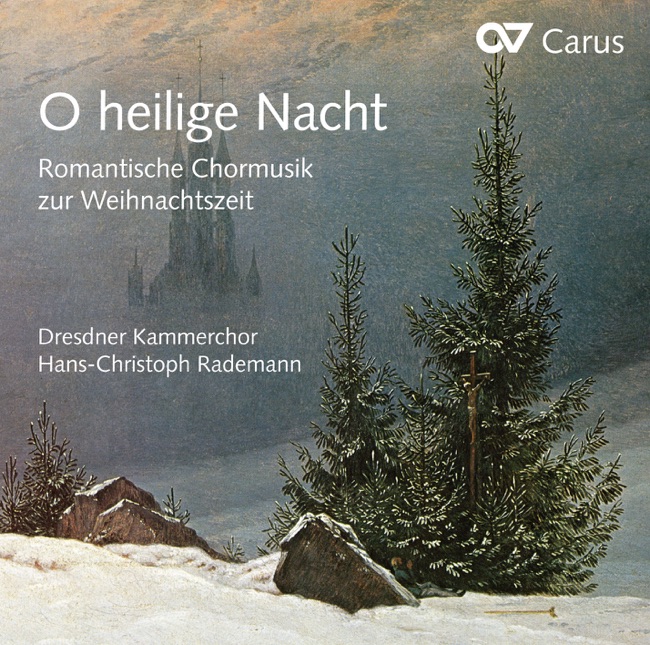
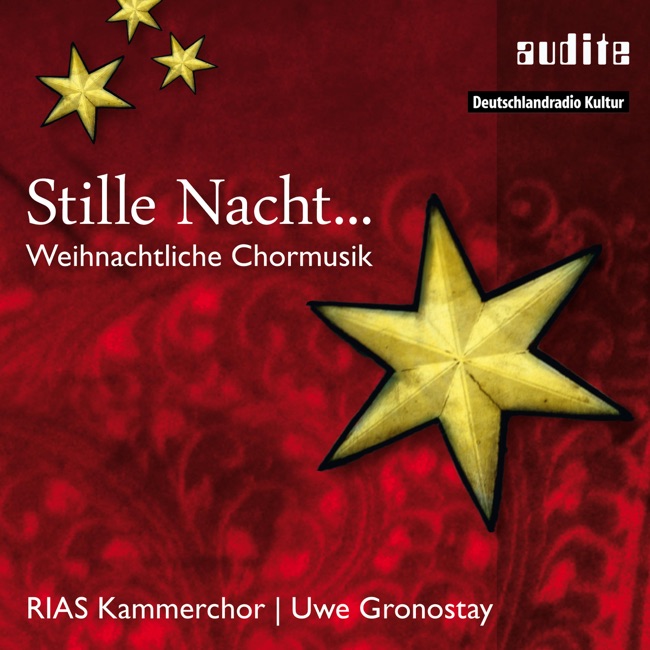
In dulci jubilo (Weihnachts-Responsorien No. 4)
Released Album
Recent Album
Works Info
Composer:Carl LoeweGenre:ChoralCompose Date:1859Average_duration:3:09In dulci jubilo (Weihnachts-Responsorien No. 4) is a choral work composed by Carl Loewe, a German composer, pianist, and conductor. The piece was composed in 1837 and premiered in the same year in Stettin, Germany. The work consists of four movements, each with its own unique characteristics. The first movement is a joyful and lively setting of the traditional Christmas carol "In dulci jubilo." The second movement is a slower and more contemplative setting of the text "O Jesulein süß," which translates to "O sweet little Jesus." The third movement is a lively and rhythmic setting of the text "Resonet in laudibus," which translates to "Let praises resound." The final movement is a triumphant setting of the text "Gloria in excelsis Deo," which translates to "Glory to God in the highest." Throughout the work, Loewe employs a variety of choral textures and harmonies to create a rich and expressive sound. The use of dynamic contrasts and rhythmic variation also adds to the overall impact of the piece. The work is notable for its use of traditional Christmas texts and melodies, which are given new life through Loewe's inventive and skillful composition. Overall, In dulci jubilo (Weihnachts-Responsorien No. 4) is a beautiful and uplifting choral work that captures the spirit of the Christmas season. Its combination of traditional texts and melodies with innovative composition techniques makes it a timeless classic that continues to be performed and enjoyed by audiences around the world.More....
Works Music
Released Music