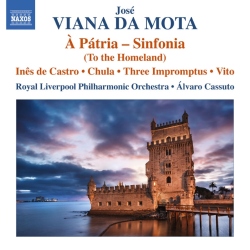
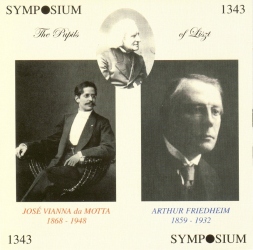
José Vianna da Motta
Chula, danse portugaise for piano, Op. 9/2
Released Album
Recent Album
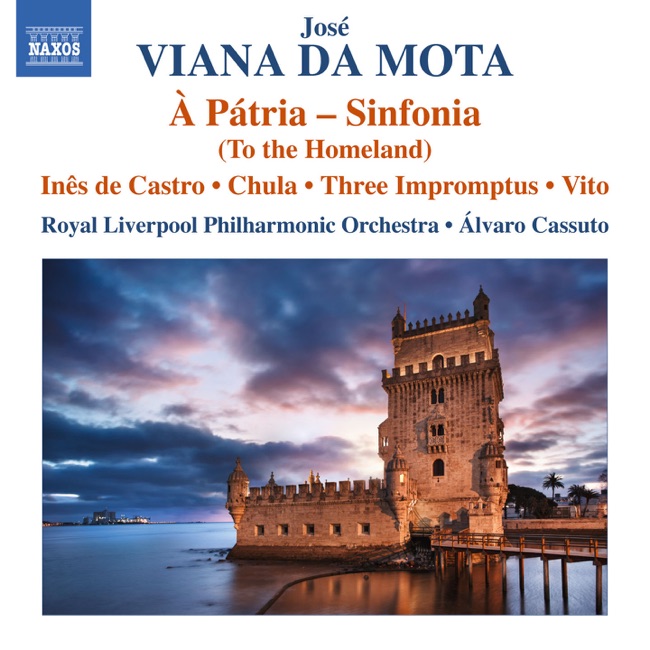
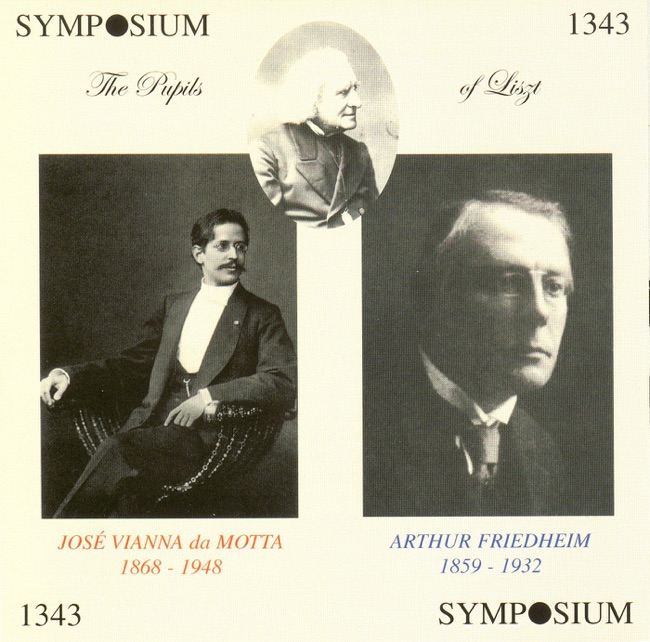
Works Info
Composer:José Vianna da MottaGenre:KeyboardStyle:DanceCompose Date:ca. 1900Average_duration:2:49'Chula, danse portugaise for piano, Op. 9/2' is a composition by the Portuguese composer José Vianna da Motta. It was composed in 1893 and premiered the same year in Lisbon. The piece is part of a set of three pieces for piano, collectively known as 'Trois Morceaux Caractéristiques'. 'Chula' is a lively and rhythmic dance that originated in the Minho region of Portugal. The dance is characterized by its fast tempo and the use of castanets. Vianna da Motta's composition captures the spirit of the dance, with its lively rhythms and syncopated melodies. The piece is in A minor and is structured in a ternary form, with a lively and rhythmic A section followed by a more lyrical and melodic B section. The A section is characterized by its use of syncopated rhythms and the use of the left hand to create a percussive effect. The B section, on the other hand, is more melodic and lyrical, with a slower tempo and a more legato style. Vianna da Motta's 'Chula' is a virtuosic piece that requires a high level of technical skill from the performer. The piece is characterized by its use of rapid arpeggios, complex rhythms, and intricate fingerwork. The use of the left hand to create percussive effects adds to the complexity of the piece. Overall, 'Chula, danse portugaise for piano, Op. 9/2' is a lively and rhythmic composition that captures the spirit of the Portuguese dance it is named after. Its virtuosic style and complex rhythms make it a challenging piece for performers, but also a rewarding one to listen to.More....
Works Music