Alessandro Scarlatti
Salve Regina (No. 4)
Released Album
Recent Album

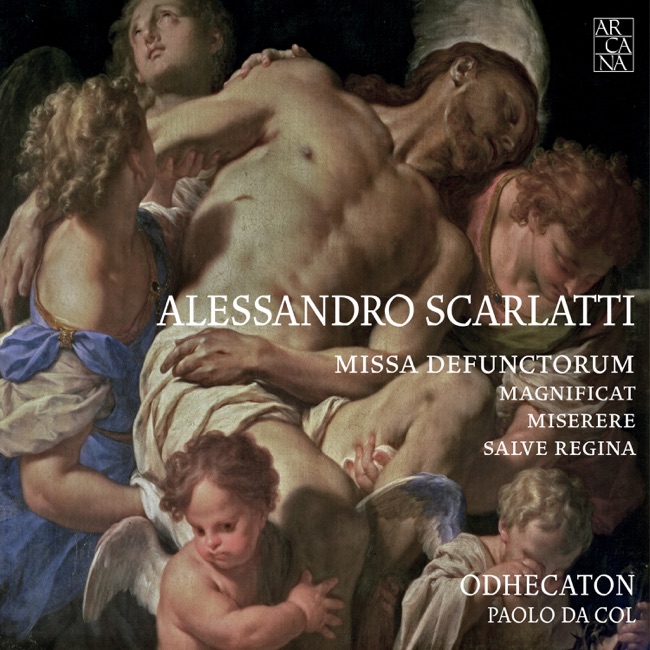

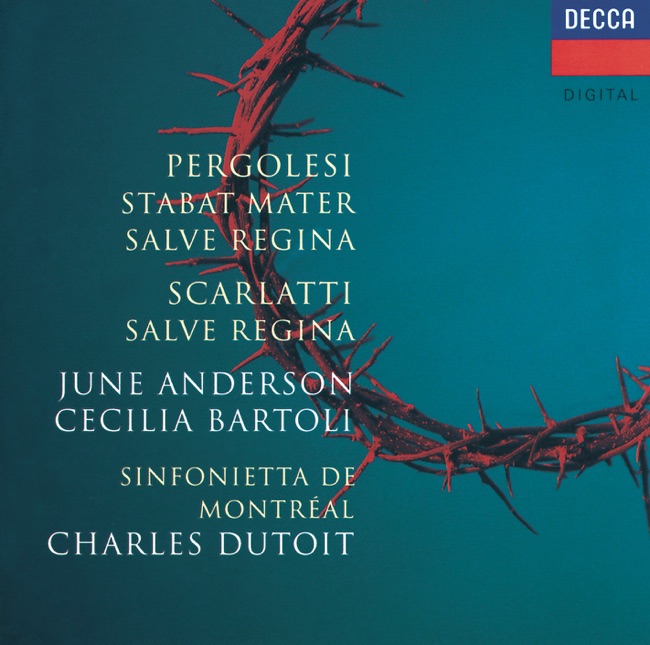
Works Info
Composer:Alessandro ScarlattiGenre:ChoralAverage_duration:9:16Alessandro Scarlatti's 'Salve Regina (No. 4)' is a sacred choral work that was composed in the Baroque era. The piece was written in the late 17th century, and it premiered in Rome in 1685. Scarlatti was a prolific composer of vocal music, and this piece is one of his most famous works. The 'Salve Regina (No. 4)' is a setting of the Marian antiphon 'Salve Regina,' which is a hymn that is traditionally sung in the Catholic Church during the season of Lent. The piece is divided into four movements, each of which is characterized by its own unique musical style and mood. The first movement is a solemn and introspective setting of the antiphon's opening lines. The music is slow and mournful, with long, sustained notes in the vocal parts and a simple, repetitive accompaniment in the strings. The second movement is more lively and upbeat, with a faster tempo and a more complex harmonic structure. The music is joyful and celebratory, reflecting the hope and optimism of the Easter season. The third movement is a slow and contemplative setting of the antiphon's middle section. The music is quiet and introspective, with a simple, repetitive melody that is sung by the choir. The final movement is a grand and majestic setting of the antiphon's closing lines. The music is triumphant and exultant, with a powerful choral melody that is supported by a rich and complex orchestral accompaniment. Overall, Scarlatti's 'Salve Regina (No. 4)' is a masterful example of Baroque choral music. The piece is characterized by its rich and complex harmonies, its intricate counterpoint, and its powerful emotional impact. It is a testament to Scarlatti's skill as a composer and his deep understanding of the spiritual and emotional power of music.More....
Works Music
Released Music