


Nicolas Chédeville
Sonata for musette (or hurdy-gurdy, flute, oboe, violin) & continuo in C major (attrib. to Vivaldi, Op. 13/2)
Released Album
Recent Album
Works Info
Composer:Nicolas ChédevilleGenre:ChamberCompose Date:1737Average_duration:8:21The 'Sonata for musette (or hurdy-gurdy, flute, oboe, violin) & continuo in C major (attrib. to Vivaldi, Op. 13/2)' is a Baroque composition that was originally attributed to Antonio Vivaldi. However, it was later discovered that the piece was actually composed by Nicolas Chédeville, a French composer and musette player. The sonata was composed in the early 18th century and was first premiered in Paris. The sonata consists of three movements: Allegro, Largo, and Allegro. The first movement, Allegro, is a lively and energetic piece that showcases the virtuosity of the solo instrument. The second movement, Largo, is a slow and expressive piece that allows the solo instrument to showcase its lyrical abilities. The final movement, Allegro, is a fast and lively piece that brings the sonata to a thrilling conclusion. The sonata is characterized by its use of the musette, a French bagpipe-like instrument that was popular in the Baroque era. The musette is known for its distinctive sound, which is created by the use of a small, high-pitched drone pipe that produces a constant, buzzing sound. The musette is also known for its ability to produce a wide range of dynamic and expressive sounds, which makes it a popular choice for solo performances. The sonata is also notable for its use of the continuo, a Baroque-era accompaniment that consists of a bass instrument (such as a cello or bassoon) and a chordal instrument (such as a harpsichord or organ). The continuo provides a rich and harmonious backdrop for the solo instrument, creating a full and vibrant sound. Overall, the 'Sonata for musette (or hurdy-gurdy, flute, oboe, violin) & continuo in C major (attrib. to Vivaldi, Op. 13/2)' is a beautiful and expressive piece of Baroque music that showcases the unique sound and capabilities of the musette. Its lively and energetic movements, combined with its expressive and lyrical second movement, make it a popular choice for solo performances and a beloved piece of Baroque music.More....
Works Music
Released Music
1
3:30
2
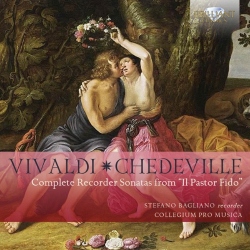
2:18
3
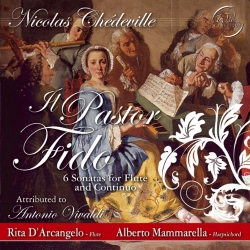
3:53