


Nicolas Chédeville
Released Album
Chamber
-
 February 2, 2024
 -
 October 28, 2021
 -
 June 19, 2020
 -
-
 May 3, 2019
 -
Concerto
-
 February 8, 2019
 -
 April 1, 2010
 -
 March 23, 1999
Artist Info
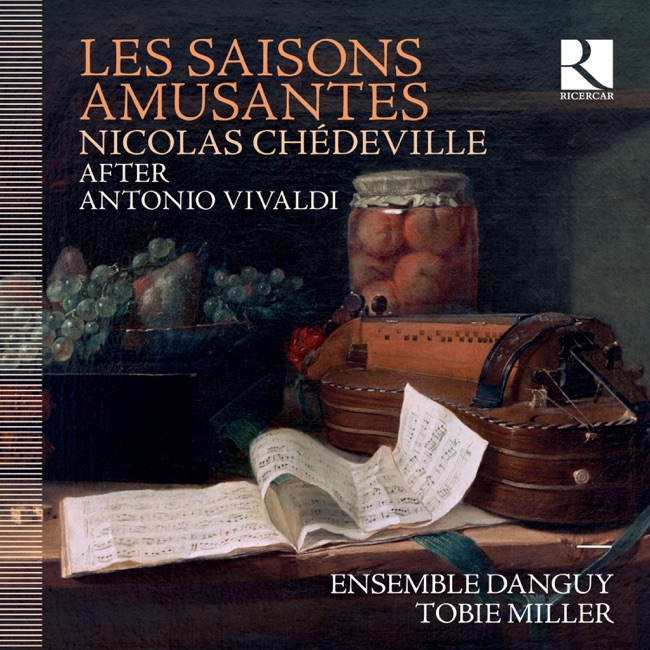
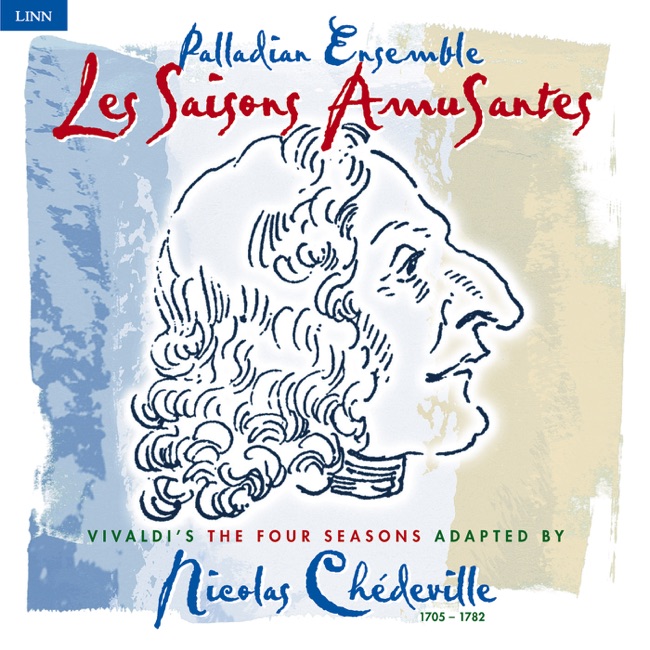
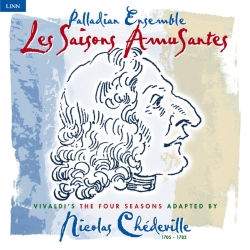
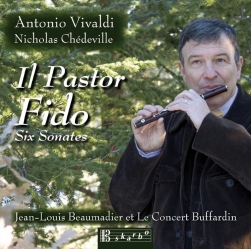
Role:ComposerCountry: FranceBirth:February 20, 1705 in SerezDeath:August 6, 1782 in Paris, FrancePeriod:BaroqueGenre:ChamberConcertoNicolas Chédeville was a French composer and musician who lived during the Baroque period. He was born in Serez, Normandy, France in 1705, and was the son of a musician. His father, Esprit Philippe Chédeville, was a well-known oboist and composer, and it was under his tutelage that Nicolas began his musical education. Nicolas Chédeville showed great promise as a musician from a young age, and he quickly became proficient on a number of instruments, including the oboe, flute, and bassoon. He also showed a talent for composition, and began writing his own music at a young age. In 1726, Nicolas Chédeville moved to Paris to further his musical education. He studied with some of the most prominent musicians of the time, including Jean-Baptiste Lully and François Couperin. He also became a member of the prestigious Académie Royale de Musique, where he performed as a soloist and in the orchestra. Throughout his career, Nicolas Chédeville composed a wide variety of music, including operas, ballets, and chamber music. However, he is perhaps best known for his arrangements of Antonio Vivaldi's concertos. Chédeville was a great admirer of Vivaldi's music, and he transcribed many of his works for the flute and other instruments. Chédeville's arrangements of Vivaldi's concertos were hugely popular in France, and helped to popularize Vivaldi's music throughout Europe. Chédeville's transcriptions were often quite different from the original works, and he added his own flourishes and embellishments to the music. This led some critics to accuse him of "butchering" Vivaldi's music, but Chédeville's arrangements were nonetheless very popular with audiences. In addition to his arrangements of Vivaldi's music, Chédeville also composed a number of original works. His music was characterized by its lightness and elegance, and he was known for his use of ornamentation and embellishment. His music was also notable for its use of the galant style, which was a precursor to the Classical style that would emerge in the following century. One of Chédeville's most famous works is his "Il pastor fido" sonatas, which were published in 1737. These sonatas were inspired by the pastoral poetry of the Italian poet Giovanni Battista Guarini, and were written for the flute and continuo. The sonatas are characterized by their graceful melodies and delicate ornamentation, and they remain popular with flutists to this day. Another notable work by Chédeville is his "Les saisons amusantes" suite, which was published in 1739. This suite consists of six short pieces, each of which is named after a different season. The music is light and playful, and is characterized by its use of dance rhythms and catchy melodies. Despite his success as a composer and arranger, Nicolas Chédeville struggled financially throughout his life. He was never able to secure a permanent position with a court or church, and he often had to rely on the patronage of wealthy individuals to support himself. He also faced competition from other composers and arrangers, and his music fell out of favor in the latter part of his career. Nicolas Chédeville died in Paris in 1782, at the age of 77. Although he never achieved the same level of fame as some of his contemporaries, his music remains an important part of the Baroque repertoire. His arrangements of Vivaldi's concertos helped to popularize the Italian composer's music in France, and his original works continue to be performed and recorded today.More....
Recent Artist Music
1
4:52
2
1:44
3
Sonata for musette & continuo in G minor (attributed to Vivaldi, Op. 13/6)
Allegro ma non presto
3:15
4
1:28
6
2:1
7
Sonata for musette & continuo in G minor (attributed to Vivaldi, Op. 13/6)
4. Allegro ma non presto
3:55
8
1:21

10
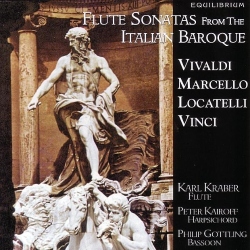
Sonata for musette & continuo in G minor (attributed to Vivaldi, Op. 13/6)
Alla breve (Fuga da capella)
1:54
11
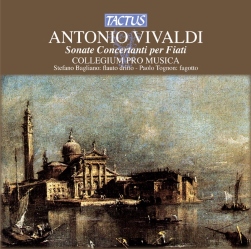
1:33
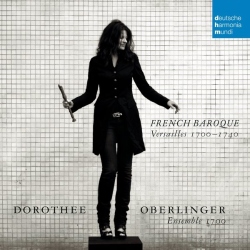
13
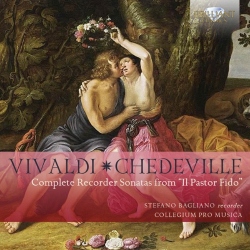
3:
14
3:29
15
1:27


Related Artists
Copyright Ⓒ 2013 Davinci Finger. All rights reseved
Service Terms & Policy