


Nicolas Chédeville
Sonata for musette & continuo in C major (attrib. to Vivaldi, Op. 13/1)
Released Album
Recent Album
Works Info
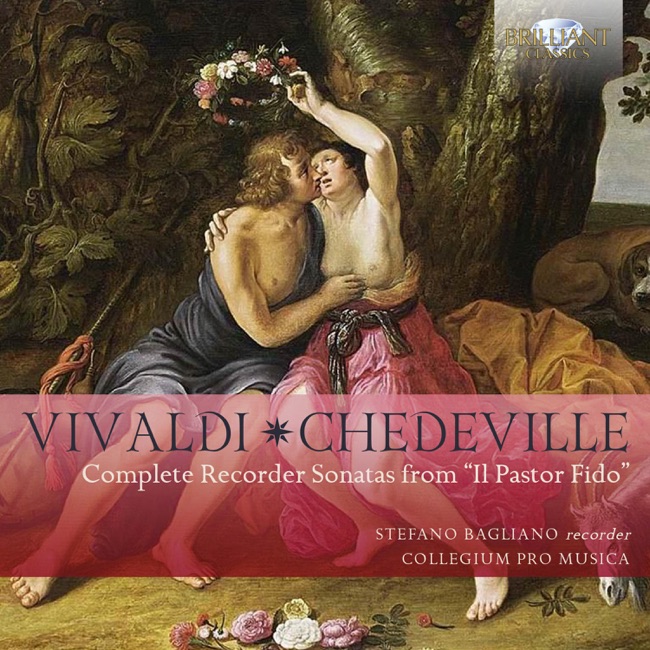
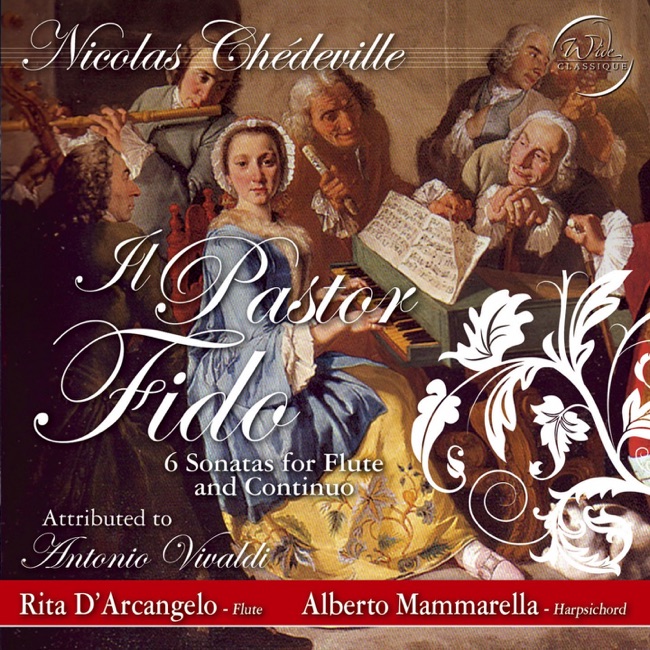
Composer:Nicolas ChédevilleGenre:ChamberStyle:SonataCompose Date:1737Average_duration:9:14The 'Sonata for musette & continuo in C major (attrib. to Vivaldi, Op. 13/1)' is a Baroque composition that was originally attributed to Antonio Vivaldi, but is now believed to have been composed by Nicolas Chédeville. The sonata was composed in the early 18th century and was premiered in Paris, France. The sonata consists of three movements: Allegro, Largo, and Allegro. The first movement is a lively and energetic Allegro that features a catchy melody played by the musette, a type of bagpipe. The second movement, Largo, is a slow and expressive piece that showcases the musette's ability to play long, sustained notes. The final movement, Allegro, is a fast and lively piece that brings the sonata to a thrilling conclusion. One of the most notable characteristics of the sonata is the use of the musette, which was a popular instrument in France during the Baroque period. The musette is a type of bagpipe that has a distinctive sound and is often associated with pastoral or folk music. In this sonata, the musette is used to great effect, adding a unique and charming quality to the music. Another characteristic of the sonata is the use of the continuo, which is a type of accompaniment that was commonly used in Baroque music. The continuo is played by a harpsichord or other keyboard instrument and provides a harmonic foundation for the melody. Overall, the 'Sonata for musette & continuo in C major (attrib. to Vivaldi, Op. 13/1)' is a delightful and charming piece of Baroque music that showcases the unique qualities of the musette and the continuo. Despite being attributed to Vivaldi, the sonata is a testament to the skill and creativity of Nicolas Chédeville, who was a talented composer in his own right.More....
Works Music
Released Music
1

3:
2
2:46
3

9:10