Brian Ferneyhough
Pieces (3) for piano
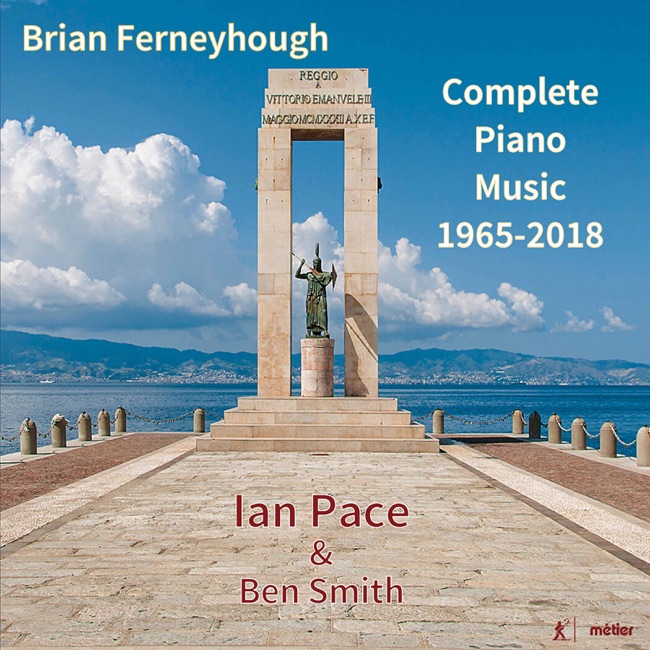
Released Album
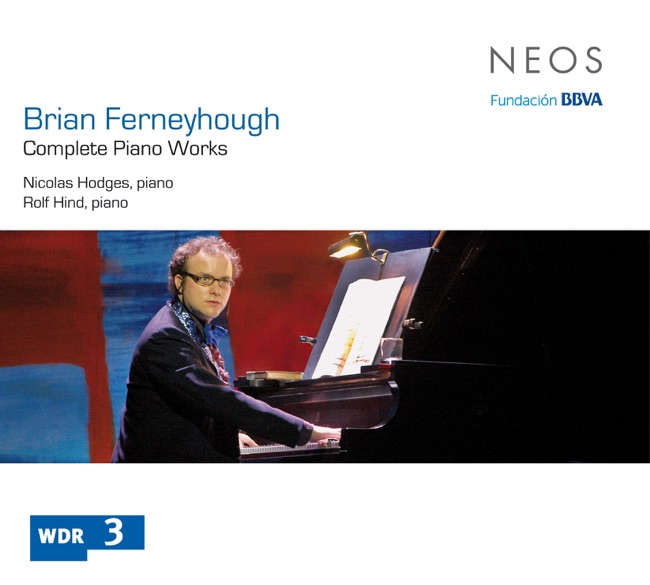
Recent Album
Works Info
Composer:Brian FerneyhoughGenre:KeyboardCompose Date:1966-1967Average_duration:20:02Movement_count:3Movement ....Brian Ferneyhough's "Pieces (3) for piano" is a composition that was written in 1965. The piece premiered in 1966 at the Royal College of Music in London. The composition consists of three movements, each with its own unique characteristics. The first movement, titled "Lemma-Icon-Epigram," is characterized by its use of complex rhythms and intricate textures. The movement is structured around a series of short, fragmented motifs that are developed and transformed throughout the piece. The pianist is required to navigate a series of rapid-fire runs and arpeggios, as well as a variety of extended techniques such as glissandi and clusters. The second movement, titled "Intermedio alla ciaccona," is a more lyrical and introspective piece. The movement is built around a series of variations on a simple, folk-like melody. The variations are characterized by their use of complex harmonies and intricate counterpoint. The movement is notable for its use of silence and space, which creates a sense of tension and release throughout the piece. The third and final movement, titled "Opus contra naturam," is the most complex and challenging of the three. The movement is built around a series of dense, dissonant chords that are played in rapid succession. The pianist is required to navigate a series of complex rhythms and intricate textures, as well as a variety of extended techniques such as glissandi and clusters. The movement is characterized by its relentless energy and intensity, which builds to a frenzied climax before coming to a sudden, abrupt halt. Overall, "Pieces (3) for piano" is a challenging and complex composition that showcases Ferneyhough's mastery of rhythm, harmony, and texture. The piece is notable for its use of extended techniques and its intricate, multi-layered textures. Despite its difficulty, the piece remains a popular choice among pianists and audiences alike, and continues to be performed and studied by musicians around the world.More....
Works Music