Johann Sebastian Bach
Jesu, meine Freude (III), BWV 1105
Released Album
Recent Album
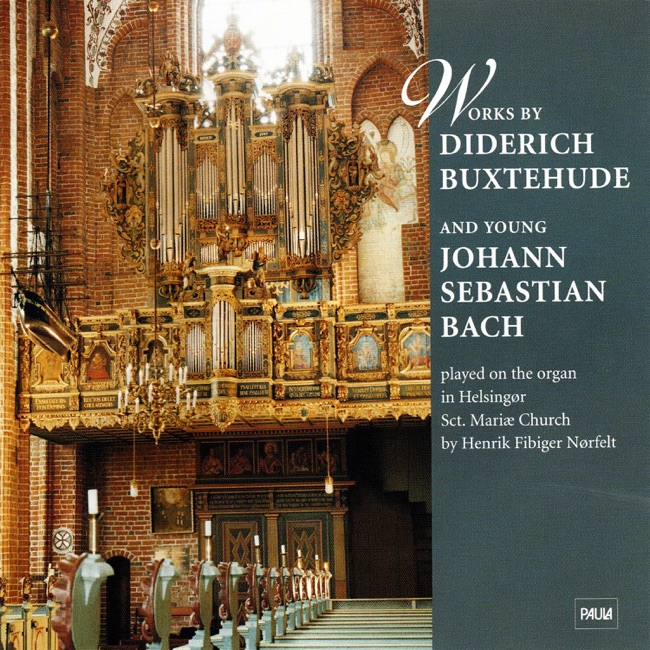
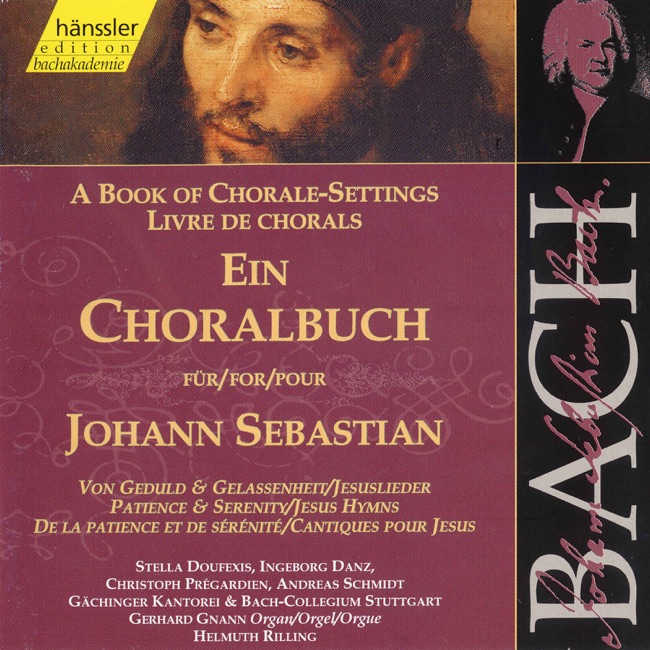
Featured Album
Works Info
Composer:Johann Sebastian BachGenre:KeyboardStyle:Chorale PreludeCompose Date:before 1710Publication Date:1985Average_duration:2:00Johann Sebastian Bach's 'Jesu, meine Freude (III)', BWV 1105, is a sacred motet composed for five-part choir. The piece was likely composed during Bach's tenure as the cantor of the Thomaskirche in Leipzig, Germany, between 1723 and 1750. The exact date of composition is unknown. The motet is divided into eleven movements, each based on a different verse from the hymn 'Jesu, meine Freude' by Johann Franck. The movements alternate between chorale settings and more elaborate polyphonic sections. The text of the hymn is a meditation on the contrast between the joys of the world and the eternal peace found in Christ. The first movement is a chorale setting of the first verse of the hymn, with the choir singing in unison. The second movement is a fugue, with the choir singing the text "Unter deinem Schirmen" (Under your protection) in imitative counterpoint. The third movement is a chorale setting of the second verse of the hymn. The fourth movement is a lively fugue, with the choir singing the text "Gute Nacht, o Wesen" (Good night, worldly things) in a complex web of counterpoint. The fifth movement is a chorale setting of the third verse of the hymn. The sixth movement is a slower, more contemplative setting of the fourth verse, with the choir singing in homophony. The seventh movement is a fugue, with the choir singing the text "Weicht, ihr Trauergeister" (Depart, you spirits of sorrow) in a lively and intricate counterpoint. The eighth movement is a chorale setting of the fifth verse of the hymn. The ninth movement is a slower, more contemplative setting of the sixth verse, with the choir singing in homophony. The tenth movement is a fugue, with the choir singing the text "Trotz dem alten Drachen" (Despite the old dragon) in a complex and virtuosic counterpoint. The final movement is a chorale setting of the seventh verse of the hymn, with the choir singing in unison. Overall, 'Jesu, meine Freude (III)' is a complex and intricate work, showcasing Bach's mastery of counterpoint and his ability to create a wide range of moods and textures within a single piece. The use of chorale settings and fugues, as well as the alternation between homophonic and polyphonic textures, creates a sense of variety and contrast throughout the work. The text of the hymn, with its emphasis on the contrast between the joys of the world and the eternal peace found in Christ, is reflected in the music through the use of contrasting moods and textures.More....
Works Music
Released Music
2
1:53
4
2:29
6
2:59
7
2:26
8
2:3
10
2:8
Featured Music