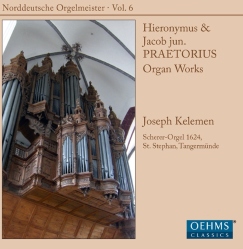
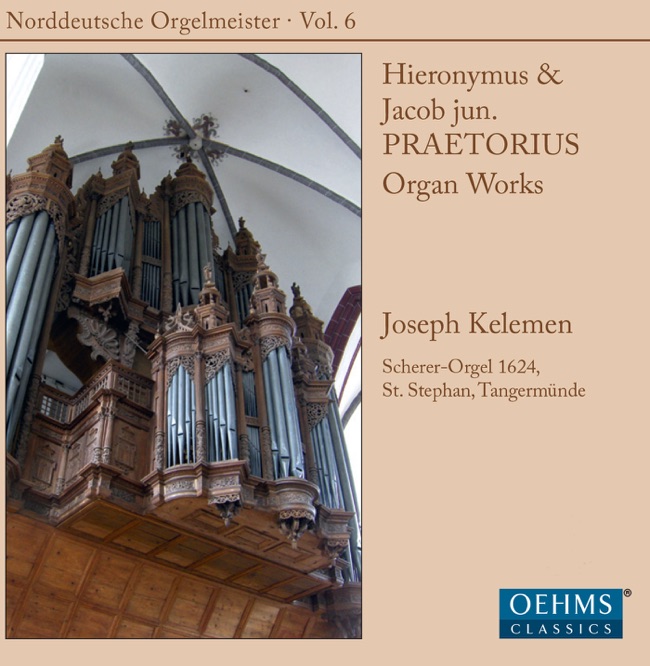
Hieronymus Praetorius
Christe Qui Lux
Released Album
Recent Album
Works Info
Composer:Hieronymus PraetoriusGenre:KeyboardAverage_duration:10:34Christe Qui Lux is a sacred choral work composed by Hieronymus Praetorius, a German composer and organist of the late Renaissance period. The piece was composed in the early 17th century, and its premiere date is unknown. Christe Qui Lux is a four-part motet, which means it is written for four voices: soprano, alto, tenor, and bass. The piece is divided into three movements, each with its own distinct character and musical style. The first movement is a lively and energetic setting of the text "Christe Qui Lux es et dies" (Christ, who art the light and day). The music is characterized by its rhythmic drive and lively counterpoint, with each voice weaving in and out of the texture in a complex and intricate manner. The second movement is a more contemplative setting of the text "Qui Sedes ad Dextram Patris" (Who sits at the right hand of the Father). The music is slower and more introspective, with long, flowing lines and rich harmonies that create a sense of awe and reverence. The final movement is a joyful and exuberant setting of the text "Gloria Patri et Filio et Spiritui Sancto" (Glory be to the Father, and to the Son, and to the Holy Spirit). The music is characterized by its bright, celebratory tone and lively rhythms, with each voice contributing to a rich and complex texture that builds to a triumphant conclusion. Overall, Christe Qui Lux is a masterful example of Renaissance choral music, showcasing Praetorius's skillful use of counterpoint, harmony, and text painting to create a rich and expressive musical experience.More....
Works Music
Released Music