Franz Xaver Richter
Sinfonia No. 11 in G minor
Released Album
Recent Album
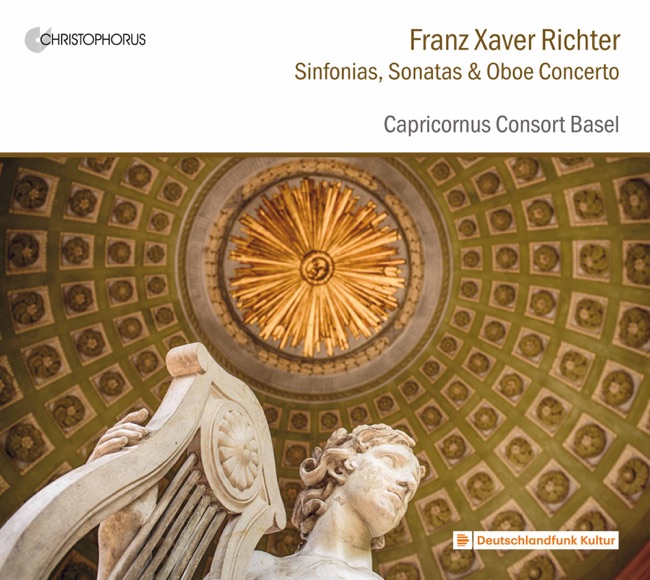
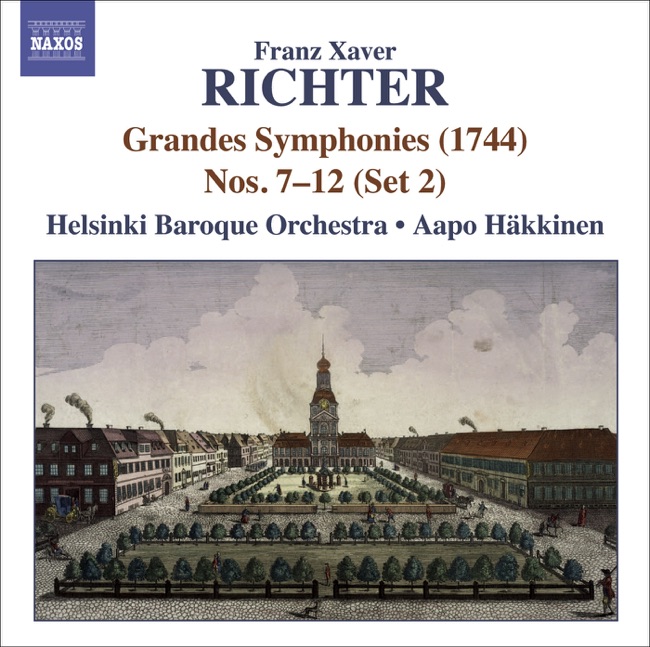
Works Info
Composer:Franz Xaver RichterGenre:OrchestralStyle:OrchestralAverage_duration:14:02Movement_count:3Movement ....Franz Xaver Richter's Sinfonia No. 11 in G minor is a masterpiece of the Baroque era. It was composed in the mid-18th century and premiered in Mannheim, Germany in 1744. The symphony is divided into four movements, each with its own unique characteristics. The first movement, marked Allegro, is in sonata form and begins with a dramatic and intense introduction. The main theme is then introduced by the strings, which is followed by a series of variations. The movement is characterized by its use of dynamic contrasts, sudden shifts in tempo, and virtuosic solo passages. The second movement, marked Andante, is a beautiful and lyrical piece that features a solo oboe. The oboe melody is accompanied by the strings, creating a serene and peaceful atmosphere. The movement is notable for its use of counterpoint and its delicate and intricate harmonies. The third movement, marked Menuetto, is a lively and energetic dance in triple meter. The movement features a playful and syncopated melody that is passed between the different sections of the orchestra. The trio section is more subdued and features a beautiful melody played by the woodwinds. The final movement, marked Allegro assai, is a fast and exciting piece that brings the symphony to a thrilling conclusion. The movement features a virtuosic solo violin that is accompanied by the rest of the orchestra. The movement is characterized by its use of syncopation, rapid scale passages, and sudden dynamic changes. Overall, Richter's Sinfonia No. 11 in G minor is a masterful work that showcases the composer's skill and creativity. The symphony is notable for its use of dynamic contrasts, intricate harmonies, and virtuosic solo passages. It remains a beloved work of the Baroque era and is still performed and enjoyed by audiences today.More....
Works Music
Released Music