Dietrich Buxtehude
Chorale prelude for organ in G major, BuxWV 208, "Nun bitten wir den heligen Geist"
Released Album
Recent Album
Featured Album
Works Info
Composer:Dietrich BuxtehudeGenre:KeyboardStyle:Chorale PreludeCompose Date:ca. 1690Average_duration:2:37Dietrich Buxtehude's 'Chorale prelude for organ in G major, BuxWV 208, Nun bitten wir den heligen Geist' is a masterpiece of Baroque music. It was composed in the late 17th century and premiered in Lübeck, Germany, where Buxtehude was the organist at the Marienkirche. The piece is a chorale prelude, which means that it is based on a hymn tune, in this case, 'Nun bitten wir den heiligen Geist' (Now we pray to the Holy Spirit). The piece is divided into four movements, each of which is based on a different verse of the hymn. The first movement is a gentle introduction, with a simple melody played on the organ's upper register. The second movement is more complex, with a faster tempo and intricate counterpoint between the different voices of the organ. The third movement is slower and more contemplative, with a beautiful melody played on the organ's lower register. The final movement is a triumphant conclusion, with a lively melody played on the organ's full range. One of the characteristics of Buxtehude's music is his use of counterpoint, which is the interweaving of different melodies to create a complex and harmonious whole. This is evident in the second movement of the chorale prelude, where the different voices of the organ play off each other in a beautiful and intricate dance. Another characteristic of Buxtehude's music is his use of ornamentation, which is the embellishment of a melody with extra notes and flourishes. This is evident in the third movement of the chorale prelude, where the melody is adorned with delicate trills and runs. Overall, Buxtehude's 'Chorale prelude for organ in G major, BuxWV 208, Nun bitten wir den heligen Geist' is a beautiful and complex piece of music that showcases the composer's mastery of counterpoint and ornamentation. Its four movements are each a masterpiece in their own right, and together they create a powerful and moving musical experience.More....
Works Music
Released Music
1
Chorale prelude for organ in G major, BuxWV 208, "Now we ask the holy spirit"
Nun bitten wir den Heiligen Geist BuxWV 208
2:18
2
2:42
3
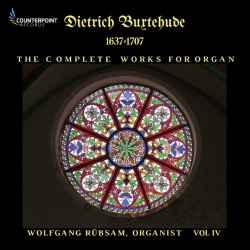
2:10
4
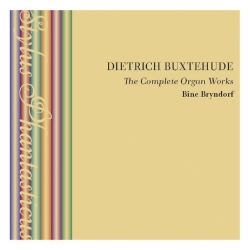
Chorale prelude for organ in G major, BuxWV 208, "Now we ask the holy spirit"
Nun bitten wir den Heilgen Geist, BuxWV 208
2:1
5
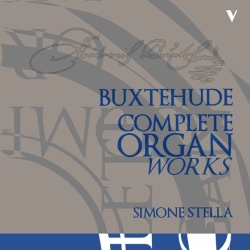
2:47
6
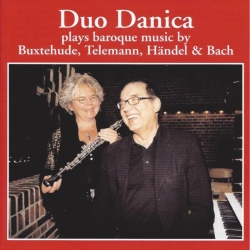
3:11
7
2:47
8
Chorale prelude for organ in G major, BuxWV 208, "Now we ask the holy spirit"
Choralbearbeitung "Nun bitten wir den heiligen Geist" BuxWV 208
2:14
9
2:9
10
3:42
Featured Music