Franz Schubert
Totengräber-Weise, D. 869
Released Album
Recent Album

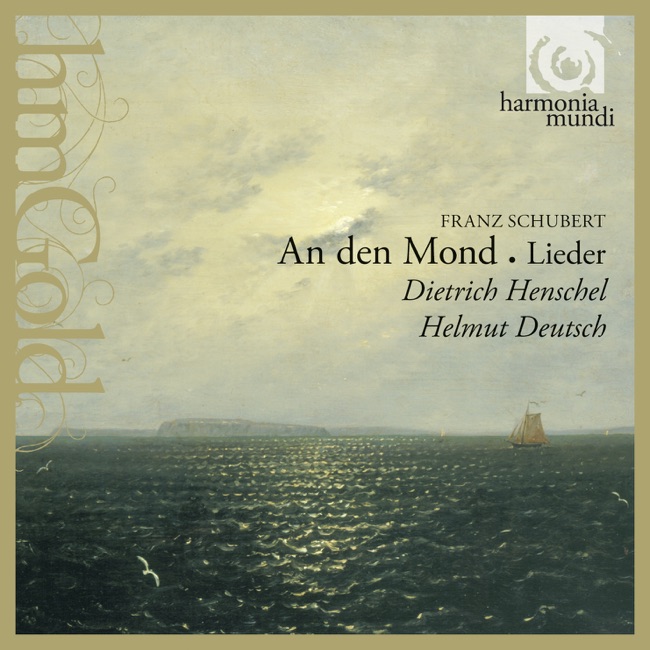
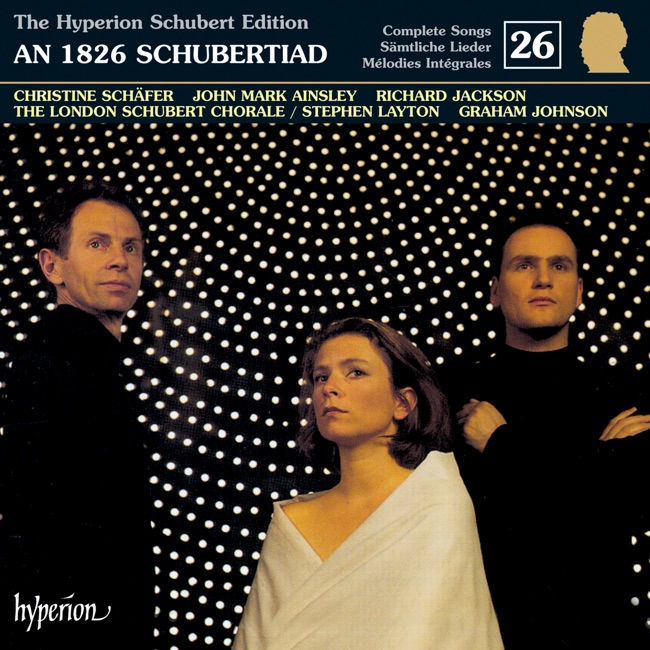
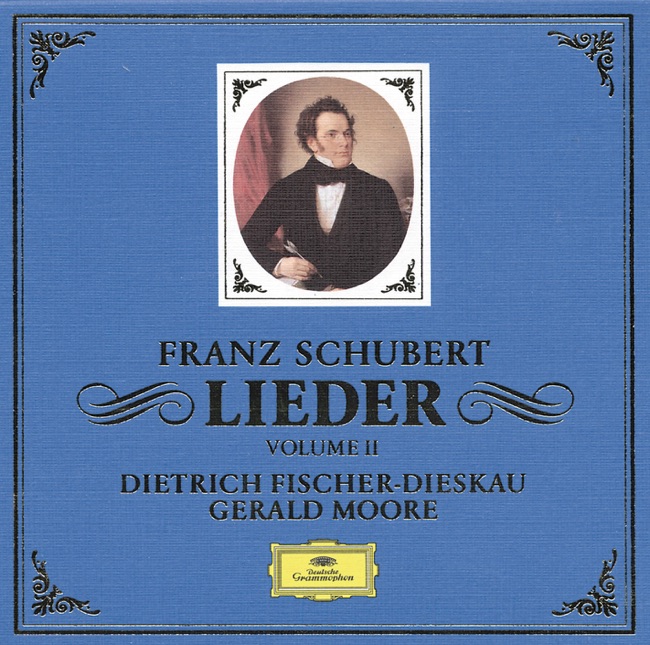
Featured Album
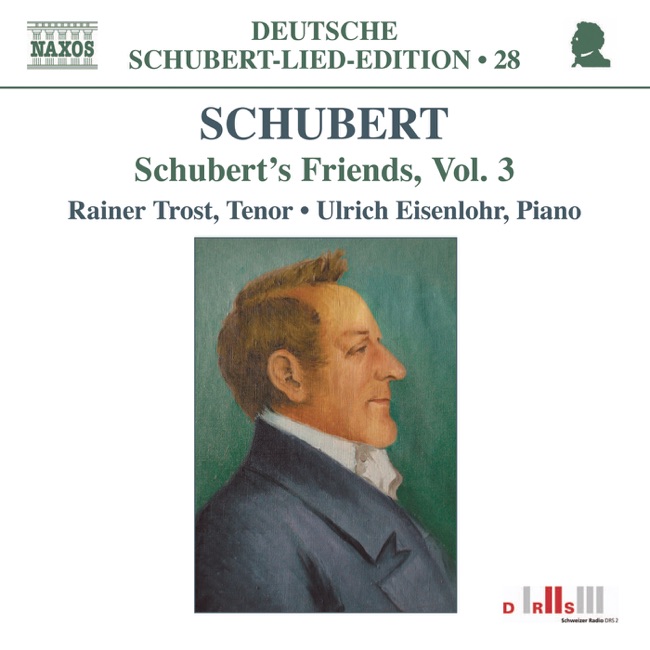
Works Info
Composer:Franz SchubertGenre:VocalStyle:SongCompose Date:1826Average_duration:5:48"Totengräber-Weise, D. 869" is a song composed by Franz Schubert in 1826. It was premiered in Vienna in the same year. The song is part of a collection of songs called "Schwanengesang" (Swan Song), which was published posthumously in 1829. The song is a setting of a poem by Ludwig Rellstab, which tells the story of a gravedigger who is digging a grave for a young woman. The gravedigger reflects on the fleeting nature of life and the inevitability of death. The song is in the key of C minor and has a slow, mournful tempo. The song is divided into three distinct sections or movements. The first section is an introduction, which sets the mood for the rest of the song. The second section is the main body of the song, which features the gravedigger's reflections on life and death. The third section is a coda, which brings the song to a close. The characteristics of "Totengräber-Weise, D. 869" are typical of Schubert's style. The song is characterized by its simple, yet powerful melody, which is accompanied by a sparse piano accompaniment. The song is also notable for its use of chromaticism, which adds to the melancholic mood of the piece. Overall, "Totengräber-Weise, D. 869" is a haunting and poignant song that reflects Schubert's preoccupation with death and mortality. It is a testament to Schubert's skill as a composer and his ability to capture the essence of human emotion in his music.More....
Works Music
Released Music

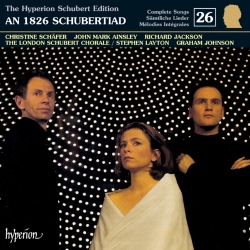
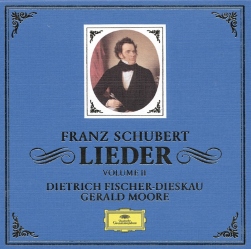
Featured Music