


Johann Schop
Erster Theil Newer Paduanen, Galliarden, Allmanden, Balletten, Couranten und Canzonen, for 3-6 instruments & continuo
Released Album
Recent Album
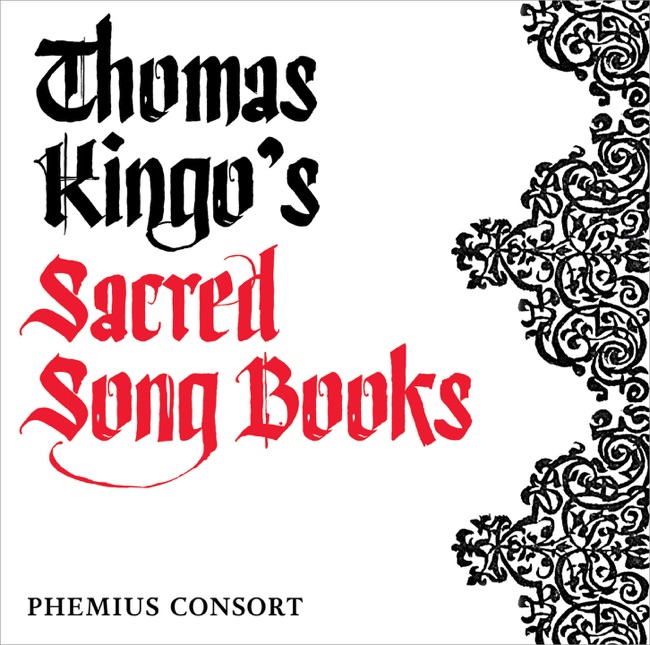
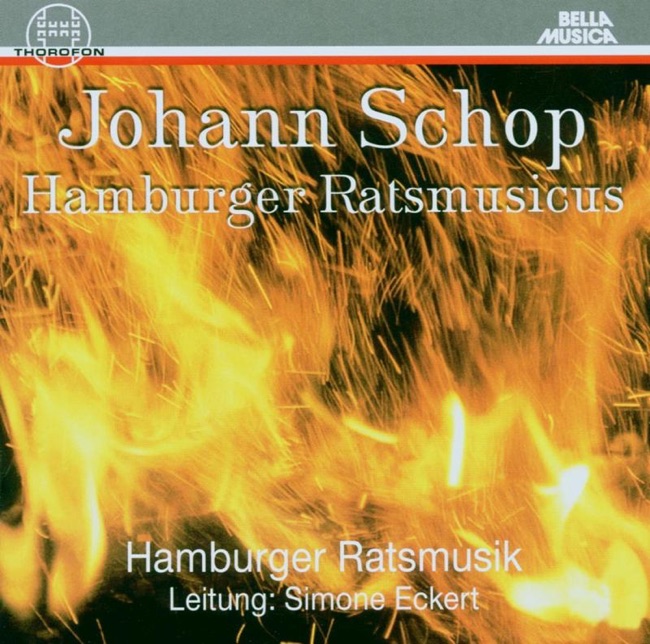
Works Info
Composer:Johann SchopGenre:ChamberAverage_duration:55:46Movement_count:22Movement ....Johann Schop's "Erster Theil Newer Paduanen, Galliarden, Allmanden, Balletten, Couranten und Canzonen, for 3-6 instruments & continuo" is a collection of instrumental music that was composed in the early 17th century. The exact date of composition is not known, but it is believed to have been written sometime between 1615 and 1625. The collection was first published in Hamburg in 1642. The "Erster Theil" consists of 27 pieces, which are divided into six different types of dances: Paduanen, Galliarden, Allmanden, Balletten, Couranten, and Canzonen. Each dance type has its own unique characteristics and style. The Paduanen is a slow, stately dance that originated in Italy. It is characterized by its simple, repetitive melody and its use of a steady, rhythmic pulse. The Galliarden is a faster dance that is often paired with the Paduanen. It is more complex than the Paduanen, with a more intricate melody and a more varied rhythm. The Allmanden is a German dance that is similar to the Galliarden in its complexity and rhythm. It is often played in a slower tempo than the Galliarden, and it has a more lyrical melody. The Balletten is a French dance that is characterized by its light, graceful melody and its use of a dotted rhythm. The Couranten is a fast, lively dance that originated in Italy. It is characterized by its use of a continuous, flowing melody and its use of a syncopated rhythm. The Canzonen is a type of instrumental song that is characterized by its use of a simple, singable melody and its use of a homophonic texture. Overall, Schop's "Erster Theil" is a collection of lively, engaging instrumental music that showcases the different dance styles of the early 17th century. The music is characterized by its use of simple, memorable melodies, its use of a steady, rhythmic pulse, and its lively, engaging rhythms. It is a testament to Schop's skill as a composer and his ability to capture the spirit of the time in which he lived.More....
Works Music
Released Music
1
2:44
2
2:44