John Dowland
Lord Strang's March, P 65
Released Album
Recent Album


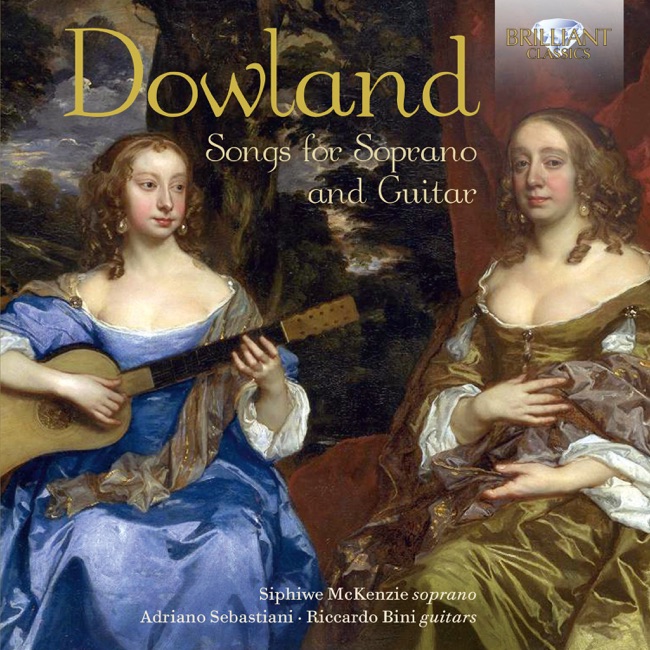
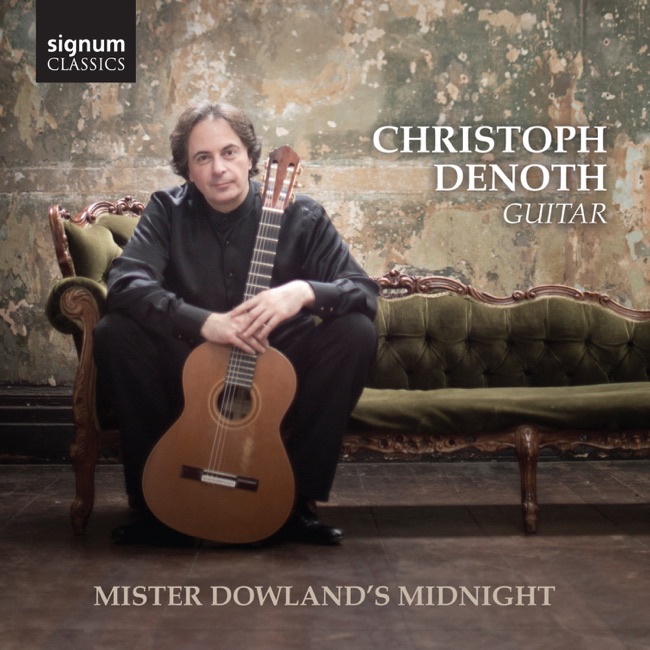
Featured Album
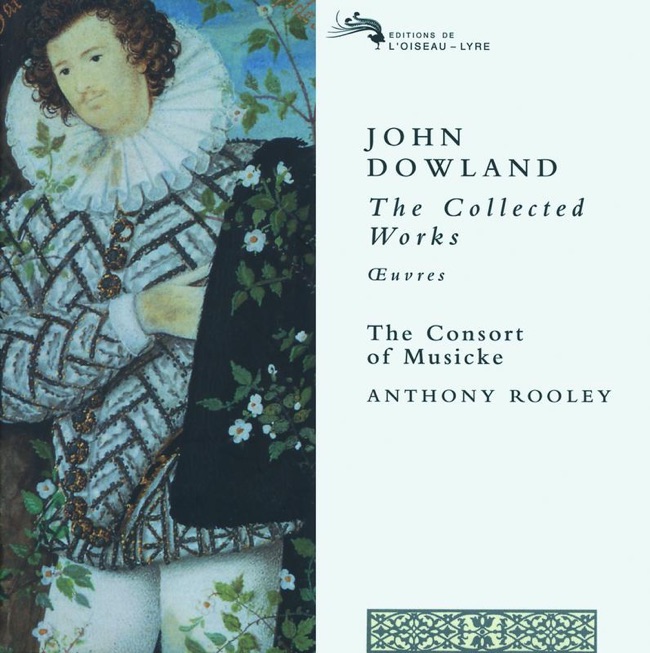

Works Info
Composer:John DowlandGenre:ChamberStyle:MarchAverage_duration:1:25Lord Strang's March, P 65 is a composition by the English Renaissance composer John Dowland. It was composed in the late 16th century and is believed to have been premiered in the court of Queen Elizabeth I. The piece is a march, which was a popular form of music during the Renaissance period. The composition consists of three movements, each with its own distinct characteristics. The first movement is a lively and energetic march, with a strong rhythmic pulse and a catchy melody. The second movement is slower and more contemplative, with a more complex harmonic structure and a more introspective mood. The third movement returns to the lively and energetic character of the first, bringing the piece to a rousing conclusion. One of the most notable characteristics of Lord Strang's March is its use of counterpoint, which is a technique in which two or more melodies are played simultaneously. Dowland was a master of counterpoint, and this piece showcases his skill in this area. The interplay between the different melodies creates a rich and complex texture that is both engaging and satisfying to listen to. Another characteristic of the piece is its use of ornamentation, which was a common feature of Renaissance music. Ornamentation refers to the embellishments and decorations that are added to a melody to make it more expressive and interesting. Dowland's use of ornamentation in Lord Strang's March is particularly effective, adding a sense of flair and sophistication to the piece. Overall, Lord Strang's March is a lively and engaging piece of music that showcases Dowland's skill as a composer. Its use of counterpoint and ornamentation make it a particularly interesting and rewarding piece to listen to, and it remains a popular choice for performers and audiences alike.More....
Works Music