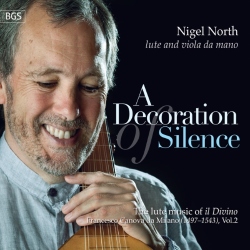
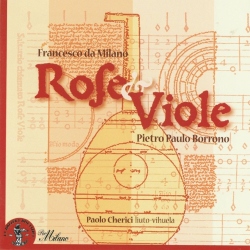
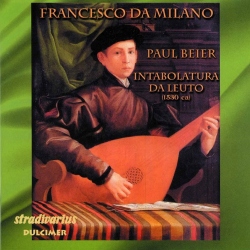
Francesco Canova da Milano
Ricercar 19
Released Album
Recent Album
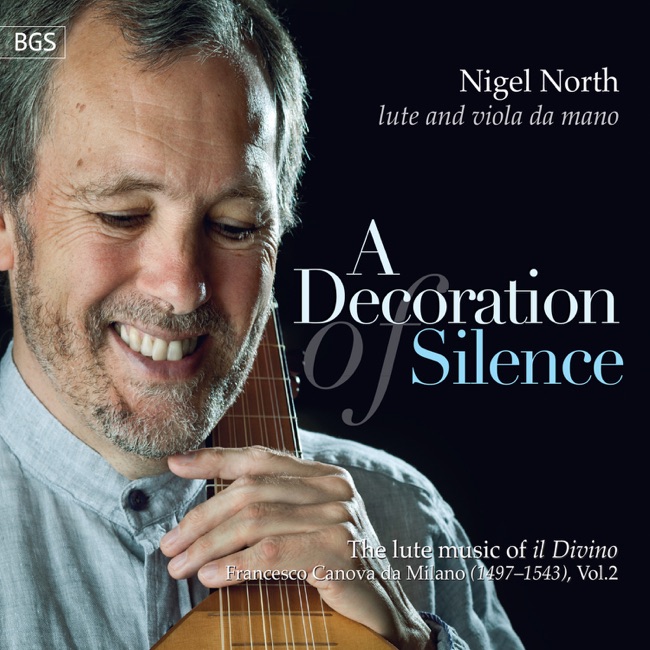
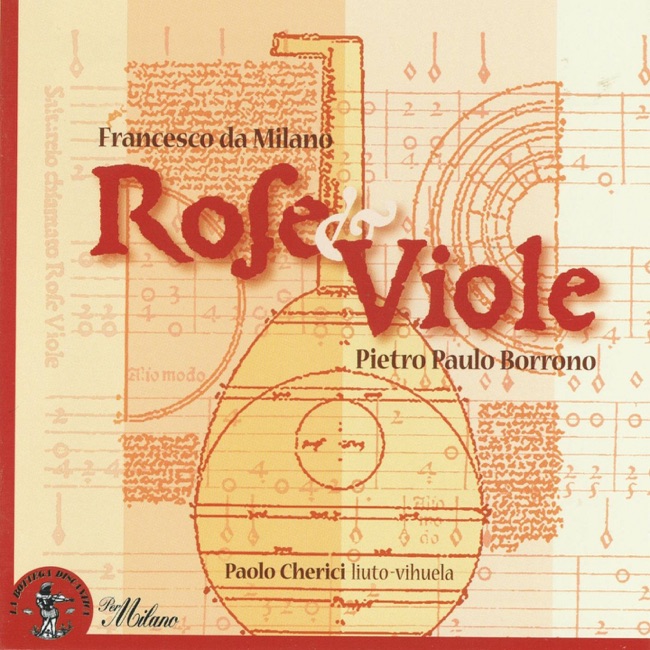
Featured Album
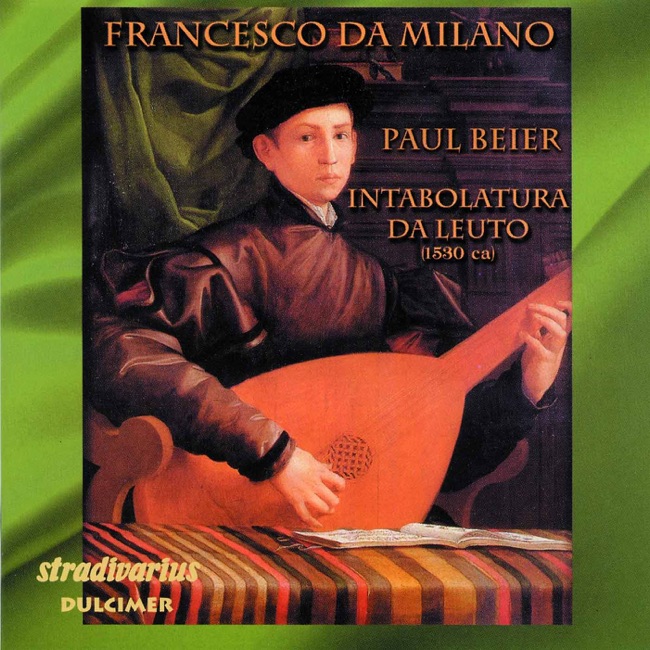
Works Info
Composer:Francesco Canova da MilanoStyle:RicercarAverage_duration:4:56Francesco Canova da Milano was an Italian composer and lutenist who lived during the Renaissance period. He was known for his virtuosic lute playing and his compositions for the instrument. One of his most famous works is "Ricercar 19," which is a piece for solo lute. "Ricercar 19" was composed in the mid-16th century, during the height of the Renaissance period. It is believed to have been written sometime between 1540 and 1560. The piece is in the key of D minor and is written in a polyphonic style, which means that there are multiple independent voices playing at the same time. The piece is divided into three movements, each with its own distinct character. The first movement is slow and contemplative, with a mournful melody that is played in the upper voice. The second movement is faster and more lively, with a rhythmic melody that is played in the lower voice. The third movement is a return to the slower, more contemplative mood of the first movement, with a melody that is played in the middle voice. One of the most notable characteristics of "Ricercar 19" is its use of counterpoint. Counterpoint is a technique in which two or more melodies are played simultaneously, creating a complex and harmonically rich texture. Canova da Milano was a master of counterpoint, and "Ricercar 19" is a prime example of his skill in this area. Another characteristic of the piece is its use of ornamentation. Ornamentation is the addition of decorative flourishes to a melody, such as trills, mordents, and turns. Canova da Milano was known for his use of ornamentation, and "Ricercar 19" is full of these embellishments. Overall, "Ricercar 19" is a beautiful and complex piece of music that showcases Canova da Milano's skill as a composer and lutenist. Its use of counterpoint and ornamentation make it a prime example of Renaissance music, and it continues to be studied and performed by lute players and music scholars today.More....