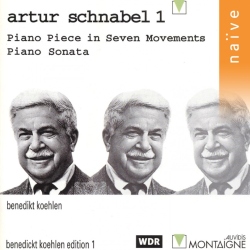
Artur Schnabel
Piece for piano in seven movements
Released Album
Recent Album


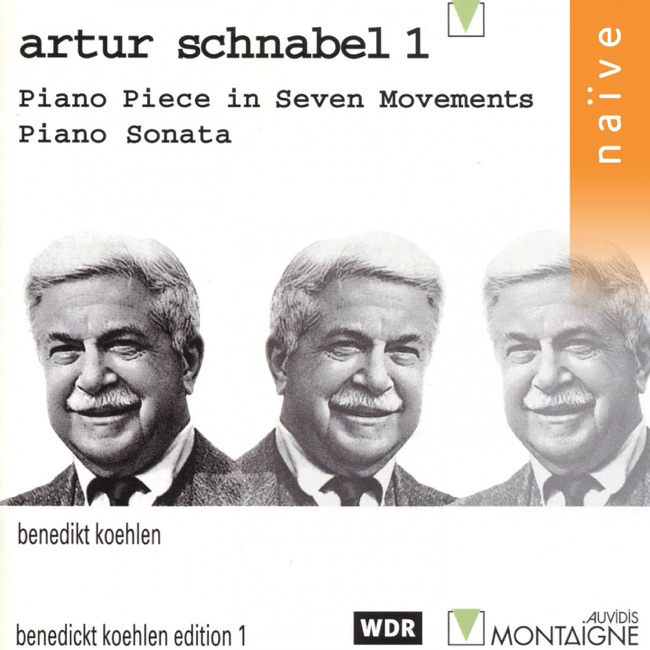
Works Info
Composer:Artur SchnabelGenre:KeyboardStyle:KeyboardCompose Date:1936Average_duration:28:52Movement_count:7Movement ....Artur Schnabel's 'Piece for piano in seven movements' is a solo piano work that was composed in 1923. The piece premiered in Vienna in the same year, with Schnabel himself performing. The seven movements of the piece are as follows: 1. Allegro moderato 2. Andante 3. Allegro 4. Andante con moto 5. Allegro 6. Andante 7. Allegro The piece is characterized by its use of dissonance and unconventional harmonies, which were quite avant-garde for the time. Schnabel was known for his interest in atonality and experimentation with new musical forms, and this piece is a prime example of his innovative approach to composition. The first movement, Allegro moderato, begins with a series of dissonant chords that set the tone for the rest of the piece. The movement is marked by its use of syncopation and irregular rhythms, which create a sense of tension and unpredictability. The second movement, Andante, is more lyrical and melodic than the first. It features a simple, repeating theme that is gradually developed and expanded upon throughout the movement. The third movement, Allegro, is fast-paced and energetic, with a driving rhythm and a sense of urgency. It features a number of virtuosic passages that showcase the pianist's technical skill. The fourth movement, Andante con moto, is more introspective and contemplative than the previous movements. It features a haunting melody that is played against a backdrop of dissonant harmonies. The fifth movement, Allegro, is similar in character to the third movement, with a fast tempo and a sense of urgency. It features a number of complex rhythms and syncopated passages that require a high level of technical skill from the pianist. The sixth movement, Andante, is the most introspective and reflective of all the movements. It features a simple, repeating melody that is played against a backdrop of shifting harmonies. The final movement, Allegro, is the most energetic and virtuosic of all the movements. It features a number of complex rhythms and technical challenges that require a high level of skill from the pianist. Overall, Schnabel's 'Piece for piano in seven movements' is a challenging and innovative work that showcases the composer's interest in atonality and experimentation with new musical forms. Its use of dissonance and unconventional harmonies make it a prime example of early 20th-century modernism.More....
Works Music
Released Music