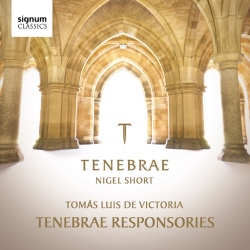
Tomás Luis de Victoria
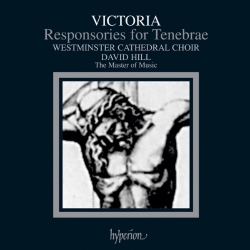
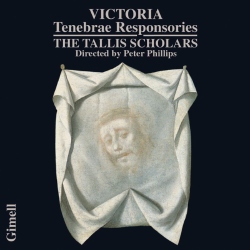
Ecce quomodo moritur
Released Album
Recent Album
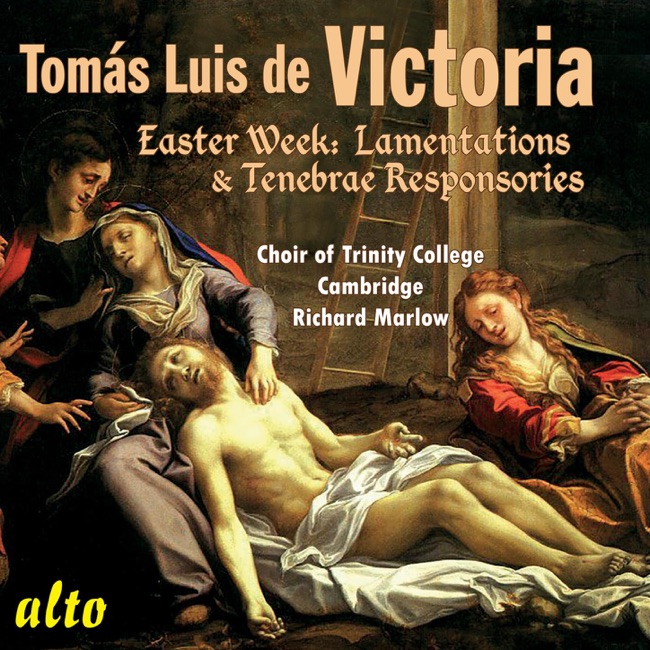
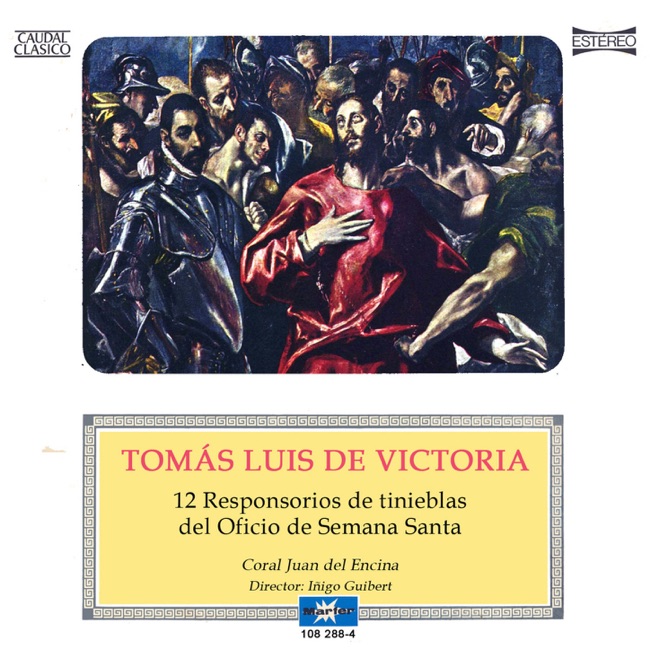
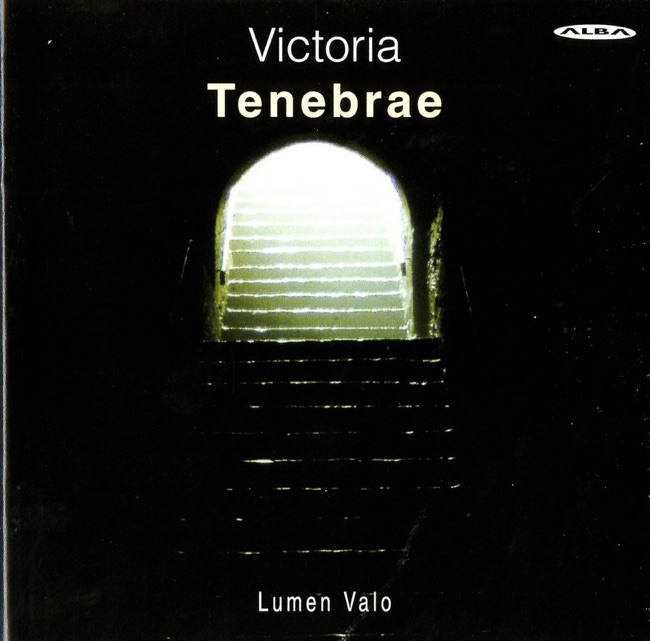
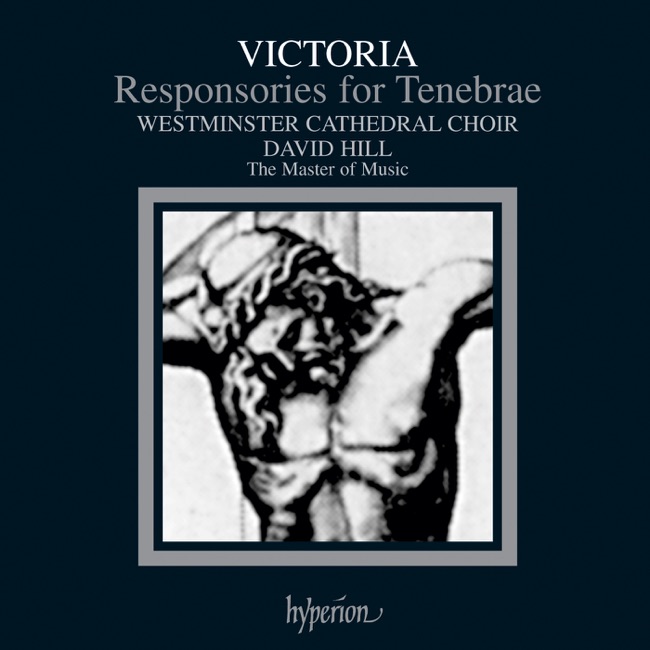
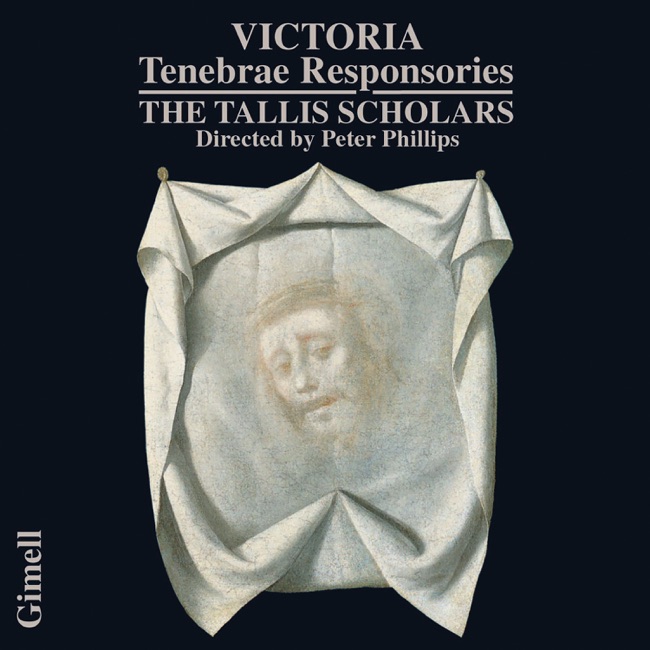
Featured Album
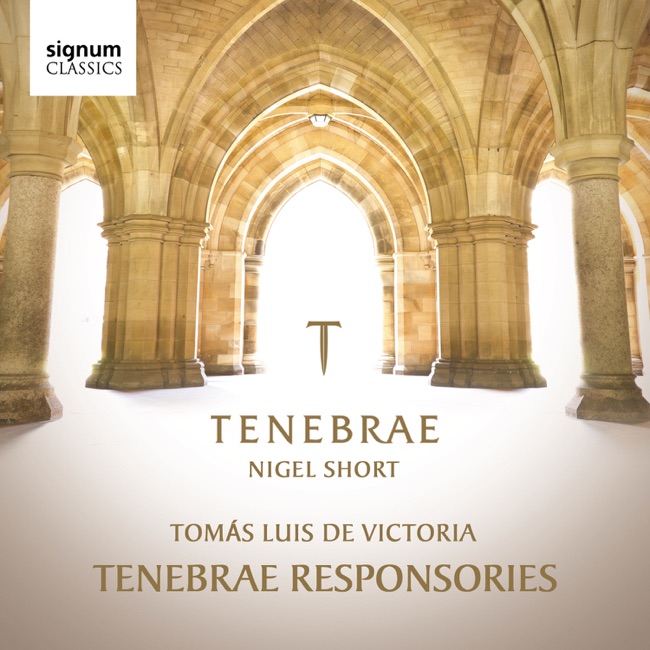
Works Info
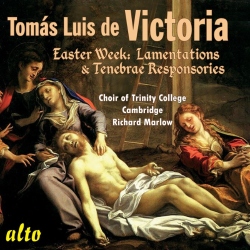
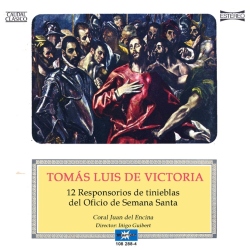
Composer:Tomás Luis de VictoriaGenre:ChoralStyle:ChoralPublication Date:1585Average_duration:5:39Tomás Luis de Victoria was a Spanish composer of the Renaissance period, known for his sacred music. One of his most famous works is "Ecce quomodo moritur," a motet for four voices. The piece was composed in the late 16th century, during Victoria's time as a chaplain and musician at the Collegium Germanicum in Rome. It was likely written for use in Holy Week services, as the text describes the death of Christ on the cross. The motet is divided into three movements. The first movement begins with a mournful, descending melody in the alto voice, which is then taken up by the other voices. The text, taken from the Book of Lamentations, describes the sorrow of the Virgin Mary as she watches her son die. The music is characterized by dissonant harmonies and chromaticism, which convey the emotional intensity of the text. The second movement is a brief instrumental interlude, featuring a repeating motif in the upper voices and a descending bass line. This section serves as a transition to the final movement. The third movement begins with a joyful, rising melody in the soprano voice, which is then echoed by the other voices. The text, taken from the Gospel of John, describes the moment when Christ gives up his spirit and dies. The music is characterized by a more consonant harmony and a sense of resolution, as the piece ends on a major chord. Overall, "Ecce quomodo moritur" is a powerful and emotional work, which showcases Victoria's skill as a composer of sacred music. Its use of dissonance and chromaticism, as well as its expressive melodies, make it a masterpiece of the Renaissance period.More....
Works Music
Released Music
3
2:12
Featured Music