Louis-Nicolas Clérambault
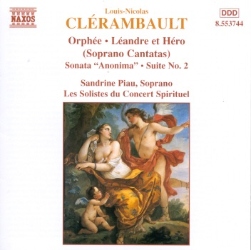
Léandre et Héro
Released Album
Recent Album
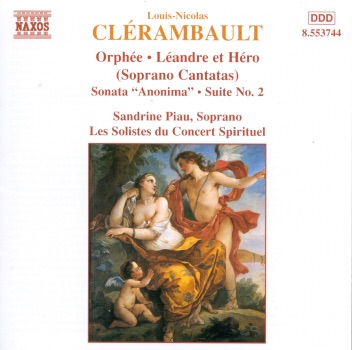
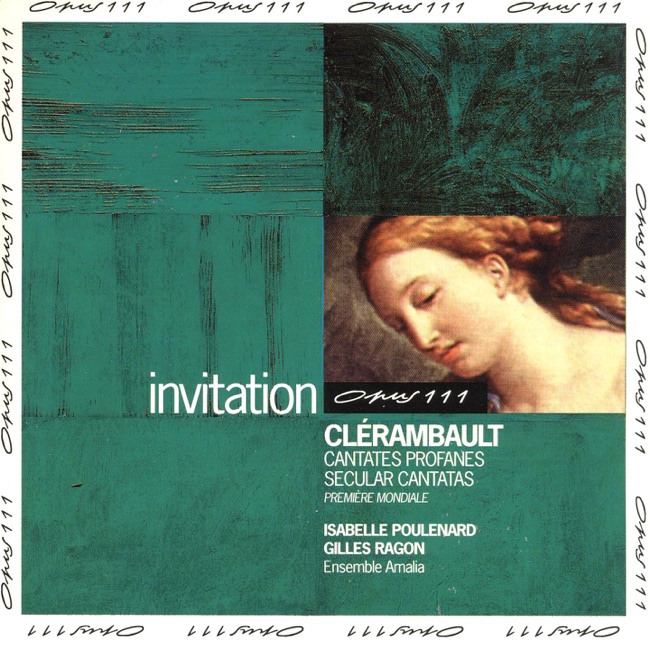
Works Info
Composer:Louis-Nicolas ClérambaultGenre:ChoralStyle:CantataCompose Date:1713Average_duration:17:22Léandre et Héro is a cantata composed by Louis-Nicolas Clérambault in the early 18th century. The cantata was first performed in Paris in 1716 and was well-received by audiences and critics alike. The piece is divided into three movements, each of which tells a different part of the story of Léandre and Héro. The first movement, "Léandre's Lament," is a slow and mournful aria in which Léandre expresses his sadness and despair at being separated from his beloved Héro. The music is characterized by its use of minor keys and dissonant harmonies, which convey the sense of longing and heartbreak that Léandre feels. The second movement, "Héro's Response," is a more upbeat and optimistic aria in which Héro reassures Léandre that their love will endure despite the obstacles they face. The music is characterized by its use of major keys and more consonant harmonies, which convey the sense of hope and joy that Héro feels. The final movement, "The Reunion," is a duet in which Léandre and Héro are finally reunited. The music is characterized by its use of lively rhythms and playful melodies, which convey the sense of excitement and happiness that the couple feels at being together again. Overall, Léandre et Héro is a beautiful and emotional work that showcases Clérambault's skill as a composer. The piece is notable for its use of contrasting musical styles to convey the different moods and emotions of the characters, as well as its expressive melodies and harmonies.More....
Works Music
Released Music