Stanislaw Moniuszko
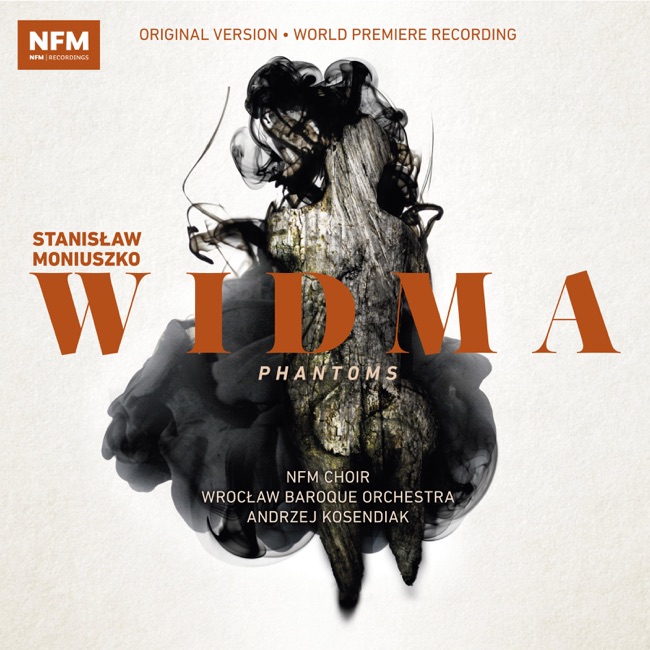
Widma
Works Info
Composer:Stanislaw MoniuszkoGenre:ChoralStyle:Cantata"Widma" is a chamber cantata composed by Stanislaw Moniuszko, a prominent Polish composer of the 19th century. The piece was composed in 1861 and premiered in Warsaw on January 26, 1862. It is a vocal work for four soloists (soprano, alto, tenor, and bass) and piano accompaniment. The cantata consists of four movements, each of which is based on a poem by Adam Mickiewicz, a famous Polish poet. The first movement, "Widma" (Specters), is a haunting and atmospheric piece that sets the tone for the rest of the work. The second movement, "Noc Listopadowa" (November Night), is a mournful and melancholic piece that reflects on the Polish uprising of 1830. The third movement, "Romans" (Romance), is a tender and lyrical love song. The final movement, "W Szczebrzeszynie Chrząszcz Brzmi w Trzcinie" (In Szczebrzeszyn a Beetle Buzzes in the Reeds), is a playful and humorous piece that showcases Moniuszko's skill as a composer of folk-inspired music. One of the characteristics of "Widma" is its use of Polish folk melodies and rhythms. Moniuszko was known for his ability to incorporate traditional Polish music into his compositions, and "Widma" is no exception. The cantata also features rich harmonies and expressive melodies, which are typical of Moniuszko's style. Overall, "Widma" is a beautiful and evocative work that showcases Moniuszko's skill as a composer. Its use of Polish folk music and its emotional depth make it a beloved piece in the Polish classical music repertoire.More....