


Giovanni Morandi
Rondo con imitazione de' Campanella in F major "Bell Rondo"
Released Album
Recent Album
Works Info
Composer:Giovanni MorandiGenre:KeyboardStyle:RondoAverage_duration:6:04Giovanni Morandi's "Rondo con imitazione de' Campanella in F major Bell Rondo" is a piano piece that was composed in the late 18th century. The exact date of composition is not known, but it is believed to have been written around 1780. The piece is in the key of F major and is characterized by its use of bell-like sounds throughout. The "Bell Rondo" is a single-movement piece that is structured in a rondo form. The rondo form is a musical structure that features a recurring theme that is interspersed with contrasting sections. In the "Bell Rondo," the recurring theme is a series of bell-like sounds that are imitated by the piano. These sounds are created by the use of arpeggios and trills, which give the impression of bells ringing. The contrasting sections of the piece feature a variety of musical ideas, including a lyrical melody, a playful staccato section, and a virtuosic passage that showcases the pianist's technical abilities. These sections are connected by the recurring bell theme, which serves as a unifying element throughout the piece. One of the most notable characteristics of the "Bell Rondo" is its use of ornamentation. Ornamentation is the use of decorative elements in music, such as trills, turns, and grace notes. In the "Bell Rondo," Morandi uses ornamentation extensively to create a sense of playfulness and whimsy. The "Bell Rondo" was premiered in the late 18th century, likely in Italy where Morandi was based. It quickly became popular among pianists and was frequently performed in concert halls and salons throughout Europe. Today, it remains a beloved piece in the piano repertoire and is often used as a showcase for pianists' technical abilities and musicality.More....
Works Music
Released Music
1
Rondo with imitation of Campanella in F major "Bell Rondo"
Rondo con imitazione de' campanelli, Op. 17
4:40
2
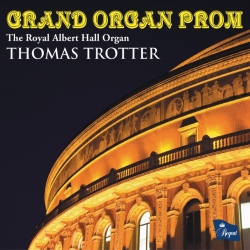
5:28
3
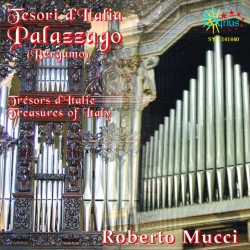
Rondo with imitation of Campanella in F major "Bell Rondo"
Rondò con imitazioni de' campanelli
5:39