


Giovanni Morandi
Released Album
Keyboard
-
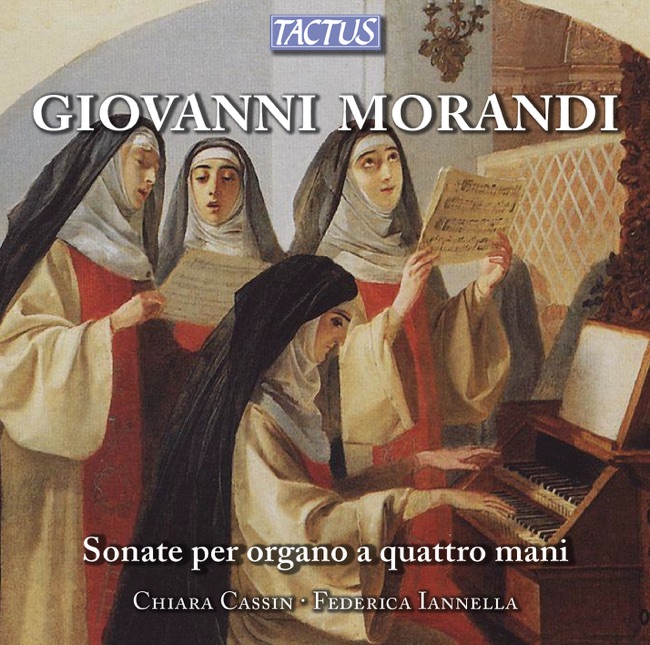 August 1, 2013
 -
 October 1, 2012
 -
 September 21, 2012
 -
 July 18, 2011
 -
 February 14, 2006
Artist Info
Role:ComposerCountry: ItalyBirth:1777 in PergolaDeath:1856 in Senigallia, ItalyGenre:ChoralKeyboardGiovanni Morandi was a prominent Italian composer of classical music who lived from 1787 to 1856. He was born in the city of Bologna, which was a hub of musical activity during the 18th and 19th centuries. Morandi's father was a musician, and he began his own musical education at a young age. Morandi's early years were spent studying music theory and composition with his father, who was a respected teacher in Bologna. He also received instruction in piano and violin, which would become important instruments in his compositions. As a teenager, Morandi began to gain recognition for his musical talents, and he was soon performing in public concerts and composing his own works. In 1806, Morandi moved to Milan, which was then the cultural center of Italy. There, he continued his studies with some of the most renowned musicians of the time, including the composer and conductor Gioachino Rossini. Morandi's time in Milan was a period of intense creativity, and he composed many of his most famous works during this time. One of Morandi's most significant compositions was his opera "Il Conte di Carmagnola," which premiered in Milan in 1810. The opera was a critical and commercial success, and it helped to establish Morandi as one of the leading composers of his time. "Il Conte di Carmagnola" was followed by several other operas, including "La Straniera" and "La Gazza Ladra," which were also well-received. In addition to his operas, Morandi composed a wide range of other works, including symphonies, chamber music, and vocal pieces. His music was characterized by its lyricism and emotional depth, as well as its technical virtuosity. Morandi was particularly skilled at writing for the piano, and many of his piano works remain popular with musicians and audiences today. Despite his success as a composer, Morandi faced many challenges throughout his life. He struggled with financial difficulties, and he was often forced to take on teaching positions in order to support himself. He also faced criticism from some quarters for his unconventional approach to composition, which was seen as too emotional and expressive for the time. Despite these challenges, Morandi continued to compose throughout his life, and his music remained popular with audiences. He died in Bologna in 1856, leaving behind a legacy of beautiful and innovative music that continues to be celebrated today.More....
Recent Artist Music


4
9:51
5
Rondo with imitation of Campanella in F major "Bell Rondo"
Rondo con imitazione de' campanelli, Op. 17
4:40
6
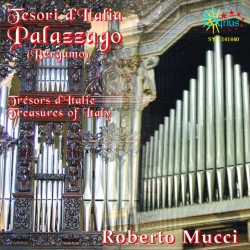
Rondo with imitation of Campanella in F major "Bell Rondo"
Rondò con imitazioni de' campanelli
5:39
7
5:28
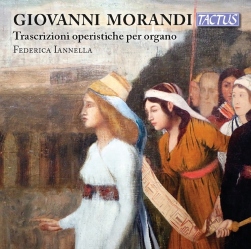
9
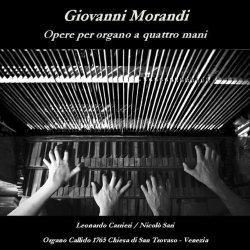
3:23
Copyright Ⓒ 2013 Davinci Finger. All rights reseved
Service Terms & Policy