Salomone Rossi
Sonata No.1, Libro 4
Released Album
Recent Album
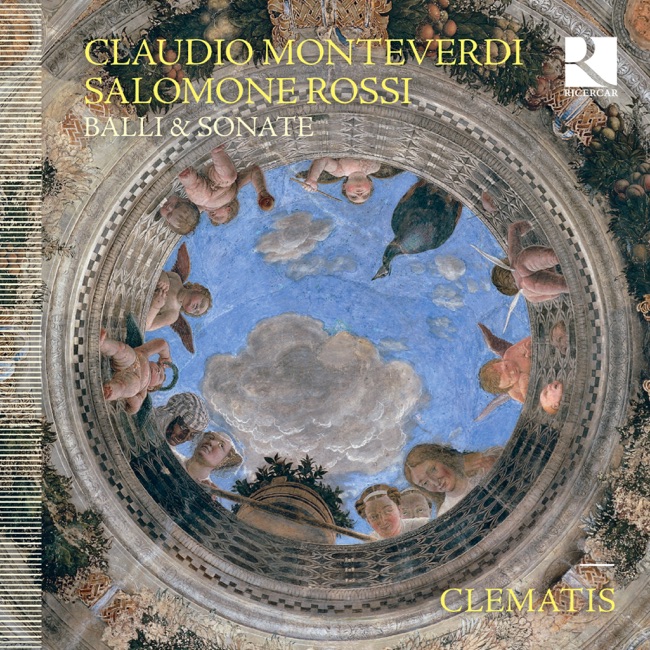
Featured Album
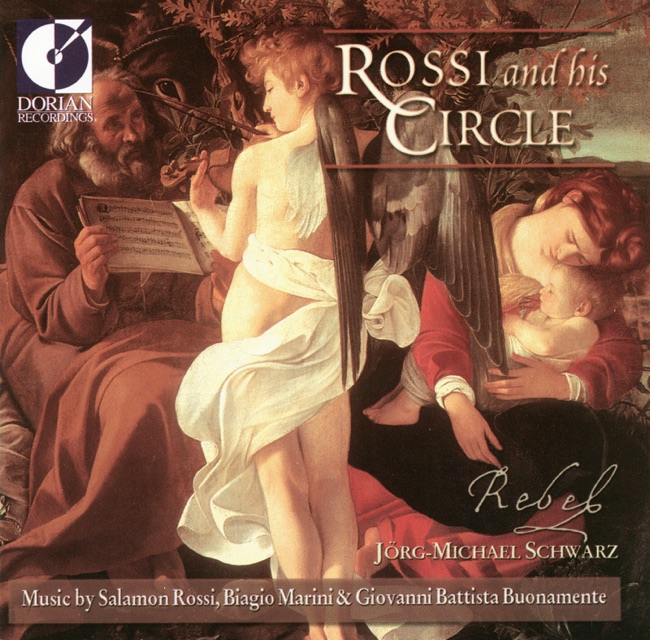
Works Info
Composer:Salomone RossiGenre:ChamberStyle:SonataCompose Date:1622Average_duration:2:39Salomone Rossi was an Italian Jewish composer who lived during the late Renaissance and early Baroque periods. He is known for his contributions to Jewish music, particularly his collection of Hebrew psalms and songs, as well as his secular instrumental music. One of his most famous works is the "Sonata No.1, Libro 4," which was composed in the early 17th century. The exact date of composition for the "Sonata No.1, Libro 4" is unknown, but it is believed to have been written sometime between 1607 and 1622. The piece was first published in Rossi's collection of instrumental music, "Il primo libro delle sinfonie e gagliarde," which was printed in Venice in 1607. The "Sonata No.1, Libro 4" is one of 21 instrumental pieces included in the collection. The "Sonata No.1, Libro 4" is a three-movement work for four instruments: two violins, a viola, and a basso continuo (usually played on a cello or harpsichord). The first movement is a lively and energetic canzona, characterized by its fast tempo and intricate counterpoint between the four instruments. The second movement is a slower and more contemplative adagio, featuring a beautiful melody played by the violins and viola. The final movement is a lively and dance-like galliard, with a catchy rhythm and playful melodies. One of the most notable characteristics of the "Sonata No.1, Libro 4" is its use of chromaticism. Rossi was known for his innovative use of chromaticism in his music, which was unusual for the time period. Chromaticism refers to the use of notes outside of the diatonic scale, which creates a sense of tension and dissonance in the music. Rossi's use of chromaticism in the "Sonata No.1, Libro 4" adds a unique and modern flavor to the piece. Overall, the "Sonata No.1, Libro 4" is a beautiful and innovative work that showcases Rossi's skill as a composer. Its use of chromaticism and intricate counterpoint make it a standout piece in the early Baroque repertoire.More....