Franz Schubert
Salve Regina in C major, D. 811, Op. posth. 149
Released Album
Recent Album

Works Info
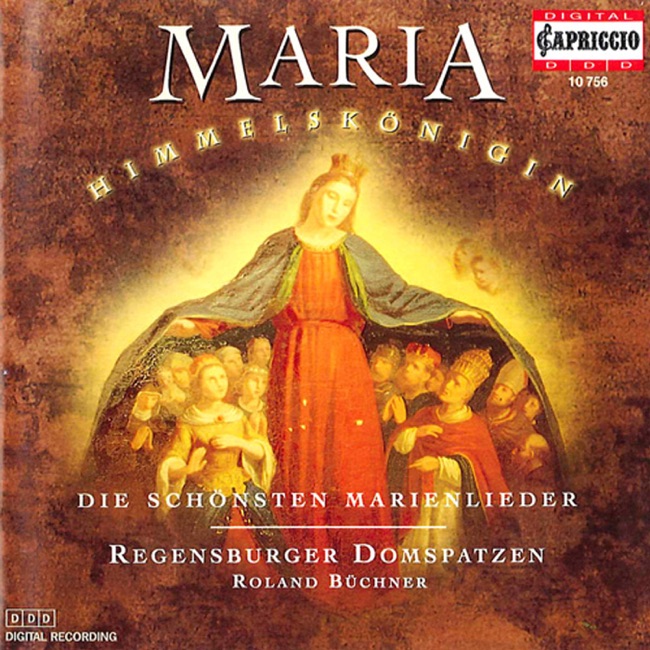
Composer:Franz SchubertGenre:ChoralStyle:ChoralCompose Date:Apr 1824Average_duration:5:47Franz Schubert's 'Salve Regina in C major, D. 811, Op. posth. 149' is a choral work composed in 1828, just a few months before the composer's death. The piece was premiered posthumously in 1832, and it is believed to have been written for the choir of the Lichtental Church in Vienna. The 'Salve Regina' is divided into four movements, each of which sets a different section of the traditional Latin text. The first movement, 'Salve Regina', is a gentle and prayerful invocation to the Virgin Mary, with the choir singing in unison and the orchestra providing a soft accompaniment. The second movement, 'Ad te clamamus', is more urgent and dramatic, with the choir singing in a call-and-response style and the orchestra providing a more forceful accompaniment. The third movement, 'Eia ergo', is a lively and joyful section, with the choir and orchestra both contributing to a celebratory atmosphere. The final movement, 'O clemens', returns to a more contemplative mood, with the choir singing in a hushed and reverent tone. Schubert's 'Salve Regina' is characterized by its simple and direct melodies, which are often repeated and varied throughout the piece. The orchestration is also relatively sparse, with the focus on the choir and the text. The piece is notable for its use of chromaticism, particularly in the second movement, which adds a sense of tension and drama to the music. Overall, Schubert's 'Salve Regina' is a beautiful and moving work, which showcases the composer's skill in writing for the human voice. Despite its relatively simple structure and instrumentation, the piece is full of emotional depth and spiritual power, making it a fitting tribute to the Virgin Mary and a testament to Schubert's genius as a composer.More....
Works Music
Released Music
2
5:40
3
6:21
6
6:5