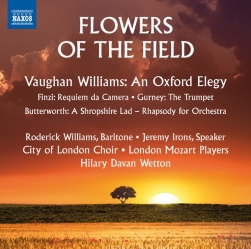
Ralph Vaughan Williams
An Oxford Elegy for narrator
Released Album
Recent Album
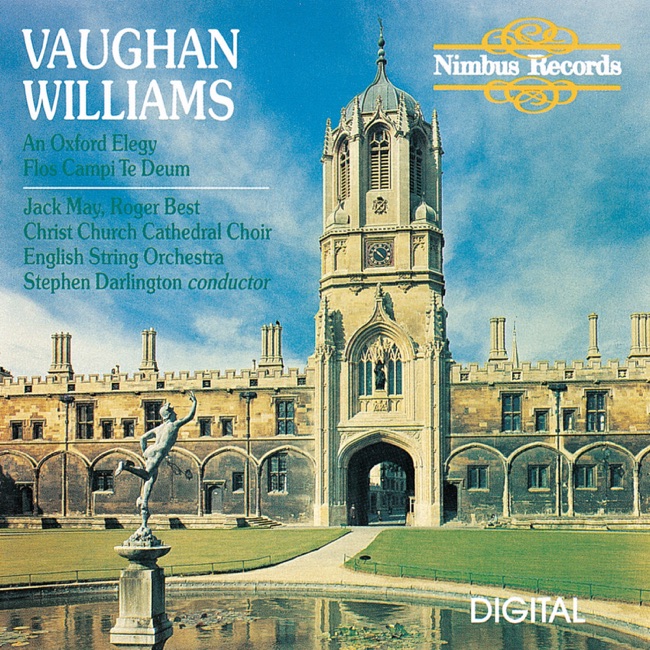
Featured Album
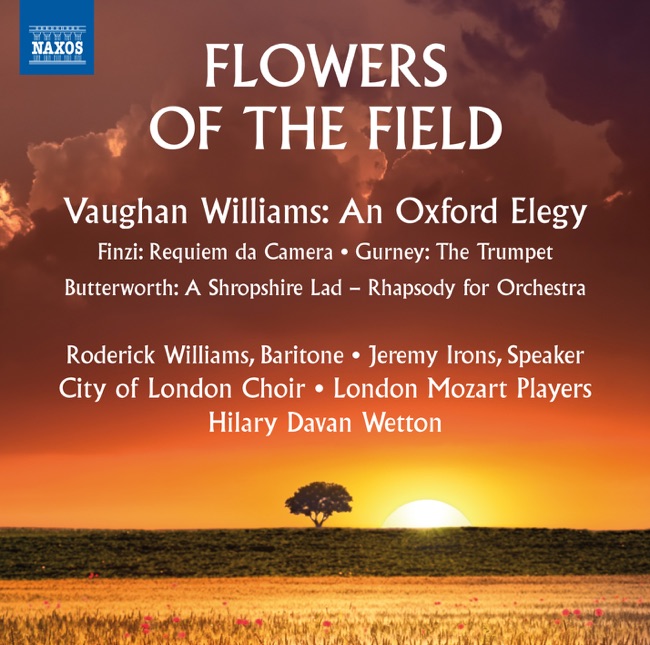
Works Info
Composer:Ralph Vaughan WilliamsGenre:ChoralStyle:ElegyCompose Date:1947 - 1949Average_duration:21:20An Oxford Elegy is a choral work composed by Ralph Vaughan Williams in 1949. It was premiered on June 22, 1952, at the Sheldonian Theatre in Oxford, England. The piece is written for a narrator, mixed choir, and small orchestra. The work is divided into four movements, each of which is based on a different text. The first movement, "The Scholar-Gipsy," is based on a poem by Matthew Arnold. It is a nostalgic reflection on the life of a scholar who has abandoned his studies to live among the gypsies. The music is gentle and pastoral, with a sense of longing and regret. The second movement, "The Beauty of the World," is based on a passage from Robert Bridges' poem "The Testament of Beauty." It is a celebration of the natural world and the beauty of creation. The music is joyful and exuberant, with a sense of wonder and awe. The third movement, "The Vanished City," is based on a poem by John Ruskin. It is a lament for the lost city of Venice, which has been destroyed by time and neglect. The music is mournful and elegiac, with a sense of loss and sadness. The final movement, "The Blessed Virgin Compared to the Air We Breathe," is based on a poem by Gerard Manley Hopkins. It is a meditation on the nature of faith and the role of the Virgin Mary in the Christian tradition. The music is ethereal and mystical, with a sense of transcendence and spiritual longing. Overall, An Oxford Elegy is a deeply reflective and contemplative work, with a strong sense of nostalgia and longing. The music is characterized by Vaughan Williams' signature pastoral style, with lush harmonies and rich orchestration. The piece is a tribute to the beauty of Oxford and the rich literary and cultural heritage of the city.More....
Works Music
Released Music
1
20:34
2
20:34
3
2:3
5
22:3
Featured Music