Béla Bartók
Hungarian Folksongs (5) Magyar népdalok, Sz. 93
Released Album
Recent Album
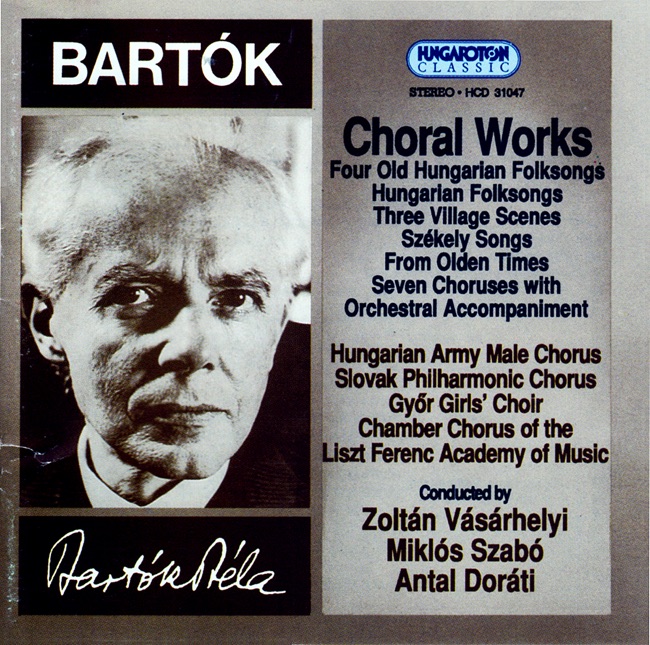
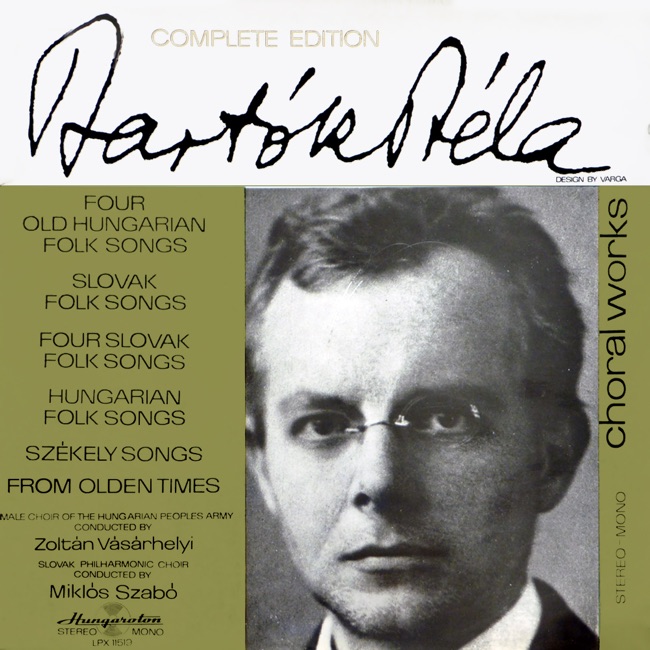
Featured Album
Works Info
Composer:Béla BartókGenre:ChoralStyle:ChoralCompose Date:1930Average_duration:10:12Movement_count:5Movement ....Béla Bartók's 'Hungarian Folksongs (5) Magyar népdalok, Sz. 93' is a collection of five songs that were composed in 1910. The premiere of the work took place in Budapest in 1911. The five movements of the work are titled 'The Old Woman', 'The Lost Bride', 'The Orphan', 'The Peacock', and 'The Lover'. The first movement, 'The Old Woman', is a slow and mournful song that tells the story of an old woman who has lost everything in her life. The second movement, 'The Lost Bride', is a fast and lively song that tells the story of a bride who has been kidnapped by a group of bandits. The third movement, 'The Orphan', is a sad and melancholic song that tells the story of an orphan who is all alone in the world. The fourth movement, 'The Peacock', is a lively and energetic song that tells the story of a peacock who is showing off his beautiful feathers. The final movement, 'The Lover', is a slow and romantic song that tells the story of a lover who is pining for his beloved. One of the characteristics of Bartók's 'Hungarian Folksongs' is his use of traditional Hungarian folk melodies. Bartók was known for his interest in folk music and he often incorporated folk melodies into his compositions. Another characteristic of the work is its use of modal harmonies. Bartók was interested in exploring different modes and scales, and this is evident in the harmonies of the 'Hungarian Folksongs'. Overall, Bartók's 'Hungarian Folksongs (5) Magyar népdalok, Sz. 93' is a beautiful and evocative work that showcases Bartók's interest in folk music and his innovative approach to composition.More....
Works Music
Released Music
3
4:26
4
4:27
5
4:48
Featured Music