Hildegard von Bingen
Et ideo puellae iste
Released Album
Recent Album
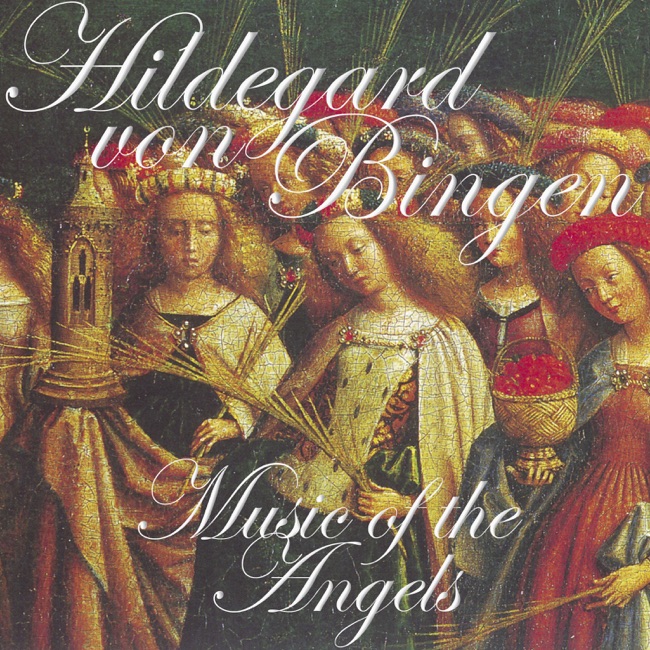
Featured Album
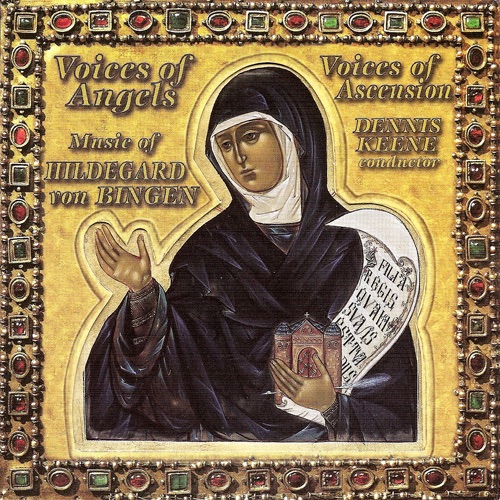
Works Info
Composer:Hildegard von BingenGenre:ChoralStyle:AntiphonCompose Date:ca. 1140 - 1179Average_duration:2:31"Et ideo puellae iste" is a sacred vocal composition composed by Hildegard von Bingen, a German Benedictine abbess, writer, composer, and philosopher of the 12th century. The piece is part of her collection of liturgical chants known as the "Symphonia armonie celestium revelationum" (Symphony of the Harmony of Celestial Revelations), which consists of 77 chants and hymns. The exact date of composition of "Et ideo puellae iste" is unknown, but it is believed to have been written in the early 12th century. The piece was likely composed for use in the liturgy of the Benedictine convent of Rupertsberg, where Hildegard was abbess. "Et ideo puellae iste" is a monophonic chant, meaning it is sung by a single voice without accompaniment. The piece is in the mode of Dorian, which gives it a solemn and contemplative character. The text of the piece is in Latin and is a hymn to the Virgin Mary, praising her as the mother of God and the source of all grace and mercy. The piece is divided into two sections, each with its own distinct melody and text. The first section begins with the words "Et ideo puellae iste benedictae" (And therefore, blessed is this maiden), and is characterized by a flowing melody that rises and falls in a gentle, undulating pattern. The second section begins with the words "O quam mirabilis est" (Oh, how wonderful it is), and features a more complex melody with a greater range of notes and a more dramatic character. Overall, "Et ideo puellae iste" is a beautiful and contemplative piece of sacred music that reflects Hildegard's deep devotion to the Virgin Mary and her belief in the power of music to connect the human soul with the divine.More....
Works Music
Released Music
Featured Music