


Georg Philipp Telemann
Solo, for violin & continuo in A major, TWV41:A4
Released Album
Recent Album
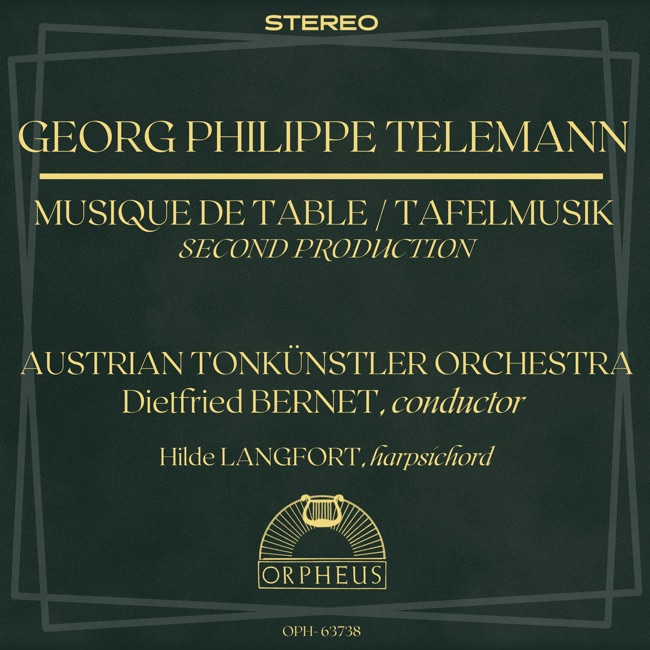
Featured Album
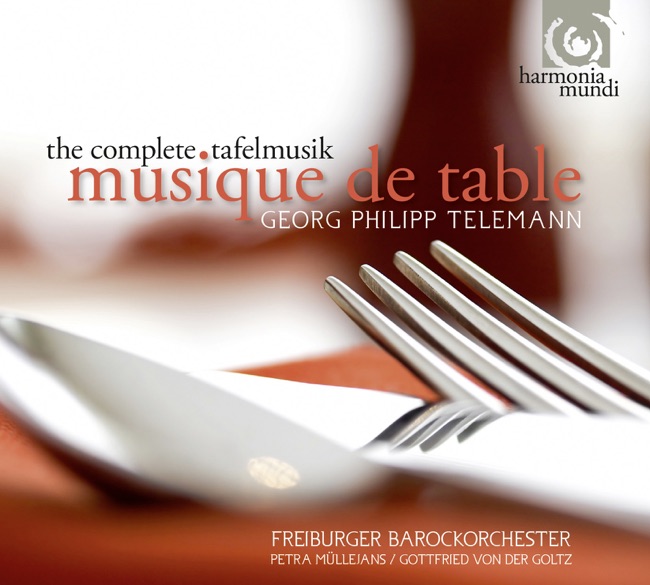
Works Info
Composer:Georg Philipp TelemannGenre:ChamberStyle:SonataCompose Date:1733Publication Date:1733Average_duration:13:11Movement_count:4Movement ....Georg Philipp Telemann's 'Solo, for violin & continuo in A major, TWV41:A4' is a Baroque-era composition that was composed in the early 18th century. The piece was premiered in 1715 and is considered to be one of Telemann's most popular works for solo violin. The composition consists of four movements, each with its own unique characteristics. The first movement is marked "Largo" and is characterized by its slow, mournful melody. The second movement is marked "Allegro" and is much more lively and energetic than the first. The third movement is marked "Adagio" and is a slow, contemplative piece that showcases the violin's ability to produce a wide range of emotions. The final movement is marked "Allegro" and is a fast-paced, lively piece that brings the composition to a thrilling conclusion. One of the most notable characteristics of Telemann's 'Solo, for violin & continuo in A major, TWV41:A4' is its use of the continuo. The continuo is a musical accompaniment that was commonly used during the Baroque era and consists of a bass instrument (such as a cello or bassoon) and a chordal instrument (such as a harpsichord or organ). In this composition, the continuo provides a rich, full-bodied accompaniment that complements the violin's melody perfectly. Another characteristic of the composition is its use of ornamentation. Ornamentation was a common feature of Baroque-era music and involved adding embellishments to the melody to make it more expressive and interesting. In this composition, Telemann uses a variety of ornamentation techniques, including trills, turns, and mordents, to add depth and complexity to the violin's melody. Overall, Telemann's 'Solo, for violin & continuo in A major, TWV41:A4' is a beautiful and expressive composition that showcases the violin's versatility and range. Its use of the continuo and ornamentation techniques make it a quintessential example of Baroque-era music and a beloved piece among classical music enthusiasts.More....
Works Music
Released Music
2
2:17
3
2:35
4
2:1
5
1:47
6
3:27
7
2:1
8
2:8
9
1:48
Featured Music
1
1:59
2
4:12
3
3:56