Ruperto Chapí
La Chavala
Released Album
Recent Album
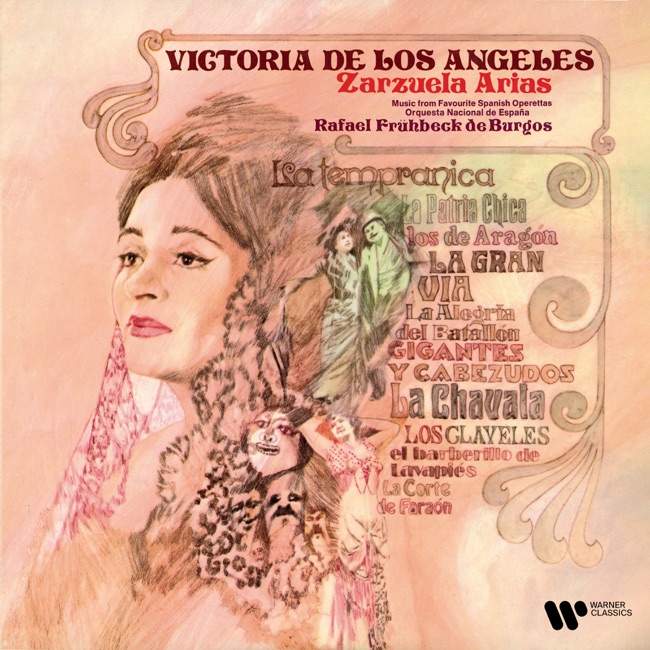

Featured Album
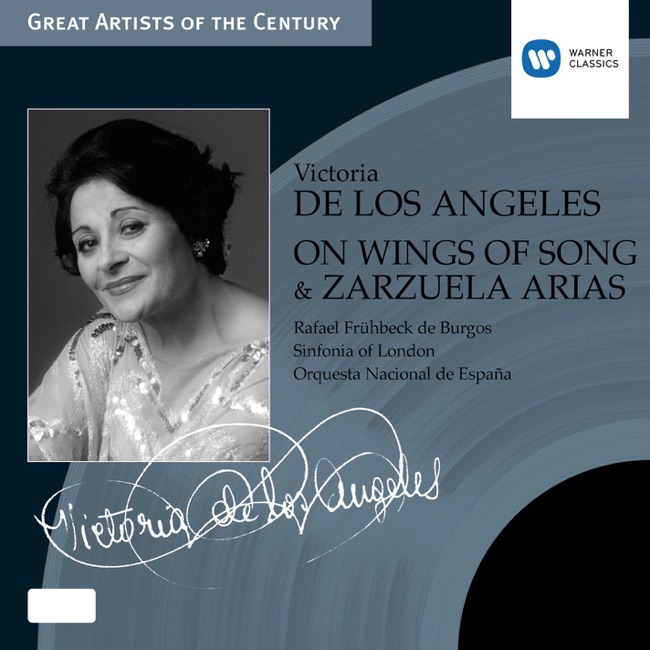
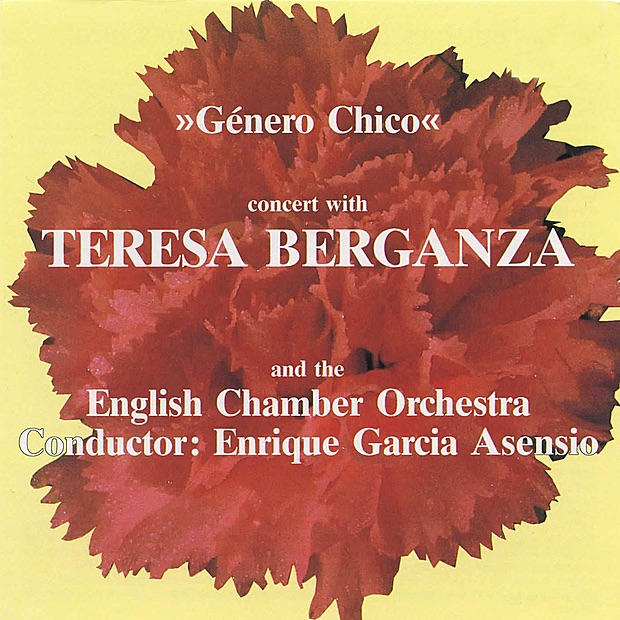
Works Info
Composer:Ruperto ChapíGenre:OperaStyle:ZarzuelaCompose Date:1898Average_duration:5:24La Chavala is an opera composed by Ruperto Chapí, a Spanish composer, in 1894. The plot of the opera revolves around the life of a young woman named Chavala, who is a street vendor in Madrid. She falls in love with a wealthy man named Don Luis, but their love is forbidden due to their social differences. Don Luis's father disapproves of their relationship and tries to separate them. However, Chavala's determination and love for Don Luis prevail, and they eventually get married. The opera premiered on March 23, 1894, at the Teatro de la Zarzuela in Madrid, Spain. It was an instant success and became one of Chapí's most popular works. The opera is divided into three acts, each with its own distinct musical style and mood. The first act is set in the streets of Madrid and features lively and upbeat music, reflecting the hustle and bustle of the city. Chavala's character is introduced, and the audience is immediately drawn to her charm and charisma. The second act takes place in Don Luis's mansion, where the music is more refined and elegant, reflecting the opulence of the setting. The third act is set in a church, where Chavala and Don Luis finally get married. The music in this act is solemn and emotional, reflecting the gravity of the moment. One of the characteristics of La Chavala is its use of traditional Spanish music and dance forms, such as the jota and the fandango. These elements add to the authenticity of the opera and give it a distinctly Spanish flavor. Another characteristic of the opera is its focus on the theme of social class and the struggles of the working class in Spanish society. Chavala's character represents the underprivileged and marginalized members of society, while Don Luis represents the wealthy and privileged. Overall, La Chavala is a beautiful and poignant opera that captures the essence of Spanish culture and society in the late 19th century. Its timeless themes of love, class, and determination continue to resonate with audiences today.More....