


Franz Liszt
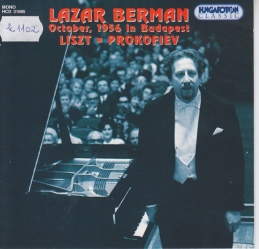
Hungarian Rhapsody, for piano No. 9 in E flat major, S. 244/9 "Carnival in Pest" I & II
Released Album
Recent Album


Featured Album
Works Info
Composer:Franz LisztGenre:KeyboardStyle:RhapsodyCompose Date:1847Publication Date:1848 - 1853Average_duration:10:23Franz Liszt's Hungarian Rhapsody No. 9 in E-flat major, S. 244/9, also known as Carnival in Pest I & II, is a virtuosic piano piece that was composed in 1853. It premiered in Pest, Hungary in the same year, with Liszt himself performing the piece. The Hungarian Rhapsody No. 9 is divided into two movements, each with its own distinct character. The first movement, Carnival in Pest I, is a lively and energetic dance that captures the festive atmosphere of a Hungarian carnival. The piece begins with a fast and rhythmic introduction, followed by a series of virtuosic runs and arpeggios that showcase the pianist's technical skill. The main theme of the movement is a lively and playful melody that is repeated throughout the piece, interspersed with virtuosic flourishes and variations. The second movement, Carnival in Pest II, is a slower and more introspective piece that contrasts with the exuberance of the first movement. It begins with a melancholy and lyrical melody that is played in the lower register of the piano, accompanied by a simple and repetitive chord progression. As the piece progresses, the melody becomes more complex and expressive, building to a dramatic climax before returning to the original theme. Overall, the Hungarian Rhapsody No. 9 is a prime example of Liszt's virtuosic piano style, characterized by its technical brilliance, expressive melodies, and dramatic contrasts. The piece is also notable for its use of Hungarian folk music, which was a recurring theme in Liszt's work and helped to establish him as one of the most important composers of his time.More....
Works Music
Released Music
1

10:32
2
12:55
3
10:32
4

10:20
5

9:1
6
10:36
7

9:1
8

Hungarian Rhapsody, for piano no. 9 in E flat major, p. 244/9 "Carnival in Pest" I & II
Hungarian Rhapsody No.9 (Pesther Carneval) S244/9
11:2
9
12:13
10
Hungarian Rhapsody, for piano no. 9 in E flat major, p. 244/9 "Carnival in Pest" I & II
Hungarian Rhapsodies in E-flat major, S 244/9 "The Carnival of Pest"
10:55
Featured Music
Main Perform Artists
Piano
Piano
Piano