Franz Schubert
Genügsamkeit, D. 143, Op. posth. 109/2
Released Album
Recent Album
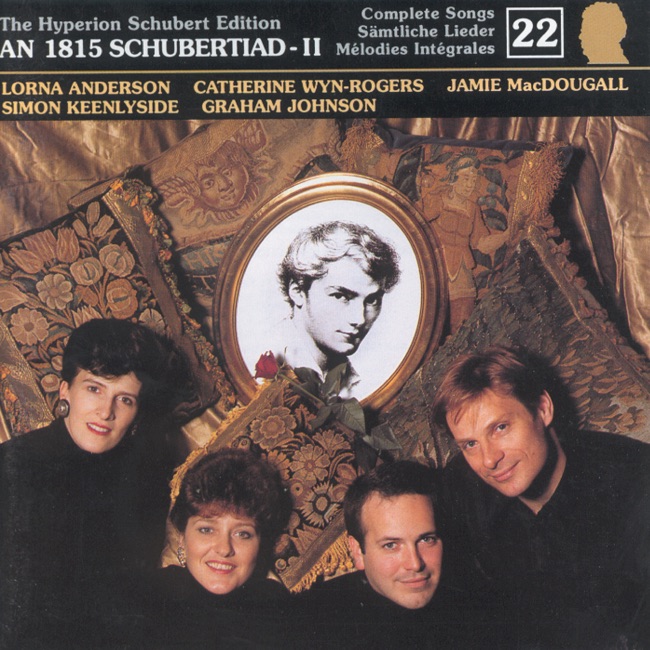
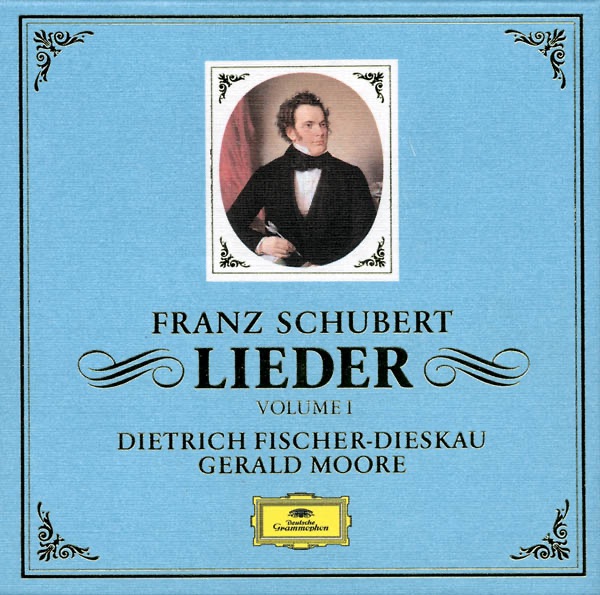
Works Info
Composer:Franz SchubertGenre:VocalStyle:SongCompose Date:1815Average_duration:2:26"Genügsamkeit" is a lied composed by Franz Schubert in 1816. It was published posthumously in 1895 as part of the second volume of the "Nachlass" edition of Schubert's works. The song is also known as "Die zufriedenen Greise" (The Contented Old Men) and is the second of two songs in the Opus posthumous 109. The song is written for a solo voice and piano accompaniment. It is in the key of G major and has a moderate tempo. The text of the song is a poem by Johann Peter Uz, which Schubert set to music. The poem speaks of the contentment of old men who have lived a simple life and are satisfied with what they have. The song is a celebration of the virtues of simplicity and contentment. The song is divided into three sections or movements. The first section is a gentle introduction in which the piano sets the mood for the song. The second section is the main body of the song, in which the voice sings the text. The melody is simple and unadorned, reflecting the contentment of the old men described in the poem. The piano accompaniment is also simple, with a gentle rhythm that supports the voice without overpowering it. The third section is a brief coda in which the piano brings the song to a gentle close. The characteristics of "Genügsamkeit" reflect Schubert's interest in simplicity and naturalness. The song is not showy or virtuosic, but rather is a gentle and understated celebration of contentment. The melody is simple and unadorned, and the piano accompaniment is supportive without being intrusive. The song is a testament to Schubert's ability to create beauty and expressiveness through simplicity. In conclusion, "Genügsamkeit" is a beautiful and understated song that celebrates the virtues of simplicity and contentment. It is a testament to Schubert's ability to create beauty through simplicity and naturalness. The song is a fitting tribute to the contented old men described in the poem, and a reminder of the importance of finding joy in the simple things in life.More....
Works Music
Released Music