Michael Praetorius
Magnificat super 'Angelus ad pastores'
Released Album
Recent Album
Featured Album
Works Info
Composer:Michael PraetoriusGenre:VocalStyle:Vocal MusicAverage_duration:9:15Michael Praetorius was a German composer, organist, and music theorist of the late Renaissance and early Baroque eras. He was born in Creuzburg, Thuringia, in 1571 and died in Wolfenbüttel, Lower Saxony, in 1621. Praetorius was one of the most prolific and versatile composers of his time, and his works include sacred and secular vocal music, instrumental music, and music for the theater. One of Praetorius's most famous works is his Magnificat super 'Angelus ad pastores', which was composed in 1611. The piece is a setting of the Magnificat text, which is a hymn of praise to the Virgin Mary from the Gospel of Luke. The title 'Angelus ad pastores' refers to the angel's announcement of the birth of Jesus to the shepherds in the fields outside Bethlehem. The Magnificat super 'Angelus ad pastores' is a large-scale work that is divided into eight movements. The first movement is an instrumental introduction, followed by seven vocal movements that alternate between solo and choral sections. The final movement is a reprise of the instrumental introduction. The first movement, 'Praeambulum', is a lively instrumental piece that sets the tone for the rest of the work. It features a variety of instrumental textures and a virtuosic organ solo. The second movement, 'Magnificat anima mea Dominum', is a choral setting of the opening lines of the Magnificat text. It is characterized by its rich harmonies and expressive use of dissonance. The third movement, 'Et exultavit', is a solo aria for soprano that expresses Mary's joy at the news of her pregnancy. It is a virtuosic piece that showcases the singer's agility and range. The fourth movement, 'Quia respexit', is a duet for alto and tenor that describes God's mercy and compassion. It is a gentle and lyrical piece that features close harmonies and a delicate instrumental accompaniment. The fifth movement, 'Omnes generationes', is a choral setting of the text that emphasizes the continuity of God's mercy throughout history. It is a grand and majestic piece that features a full choir and a rich instrumental accompaniment. The sixth movement, 'Quia fecit mihi magna', is a solo aria for bass that expresses Mary's gratitude for God's blessings. It is a solemn and contemplative piece that features a simple instrumental accompaniment. The seventh movement, 'Et misericordia', is a duet for soprano and alto that describes God's mercy and compassion. It is a gentle and lyrical piece that features close harmonies and a delicate instrumental accompaniment. The final movement, 'Praeambulum', is a reprise of the instrumental introduction. It brings the work to a close with a joyful and celebratory flourish. Overall, the Magnificat super 'Angelus ad pastores' is a rich and complex work that showcases Praetorius's skill as a composer and his deep understanding of the text. It is a masterpiece of the late Renaissance and early Baroque eras and remains a beloved work in the choral repertoire to this day.More....
Works Music
Released Music
1
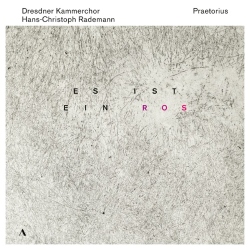
Magnificat super 'Angelus ad pastores'
Magnificat super Angelus ad pastores ait à 5 (from Megalynodia Sionia, 1611)
9:32
2
3:23
Featured Music