Etienne-Nicolas Méhul
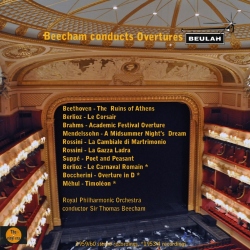
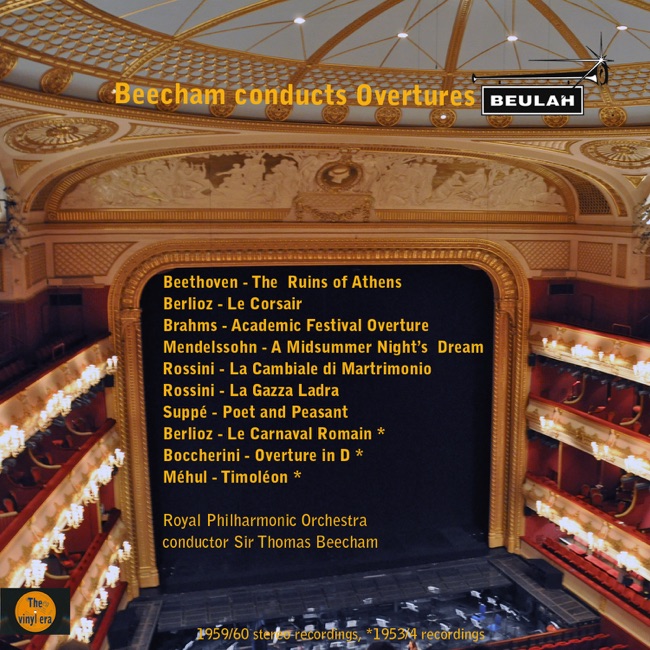
Timoléon
Works Info
Composer:Etienne-Nicolas MéhulGenre:OrchestralStyle:OrchestralCompose Date:1794Etienne-Nicolas Méhul's opera 'Timoléon' was composed in 1791 and premiered on October 26th of the same year at the Théâtre Feydeau in Paris. The opera is divided into three acts and is based on the play 'Timoléon' by Jean-François Marmontel. The first act of the opera begins with the people of Syracuse celebrating the defeat of their tyrant ruler, Dionysius. Timoléon, a Corinthian general, arrives in Syracuse and is welcomed by the people. He is asked to become the new ruler of Syracuse, but he declines and instead suggests that the people should choose their own leader. The act ends with Timoléon being arrested by the new ruler, Timophanes, who is jealous of Timoléon's popularity. The second act takes place in a prison where Timoléon is being held. He is visited by his daughter, Érinice, who tells him that she has fallen in love with Timophanes. Timoléon is torn between his love for his daughter and his hatred for Timophanes. The act ends with Timoléon being released from prison and leading a rebellion against Timophanes. The third act takes place on the battlefield where Timoléon and his army are fighting against Timophanes and his army. Timoléon is victorious and Timophanes is killed. The opera ends with Timoléon being hailed as a hero and the people of Syracuse celebrating their freedom. Méhul's 'Timoléon' is characterized by its use of choral music and its emphasis on the themes of freedom and democracy. The opera's choral music is particularly notable, with the chorus playing a prominent role throughout the work. Méhul's use of choral music was influenced by the works of Gluck, who was a major influence on Méhul's style. Overall, 'Timoléon' is a powerful and dramatic work that showcases Méhul's skill as a composer. Its themes of freedom and democracy are still relevant today, making it a timeless work of art.More....