Leopold I
Motetto de Septem Doloribus Beatae Mariae Virginis
Released Album
Recent Album
Works Info
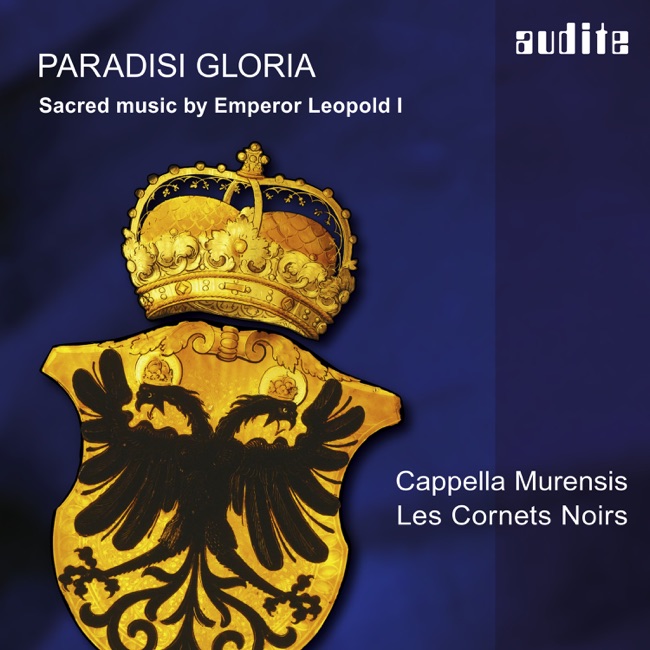
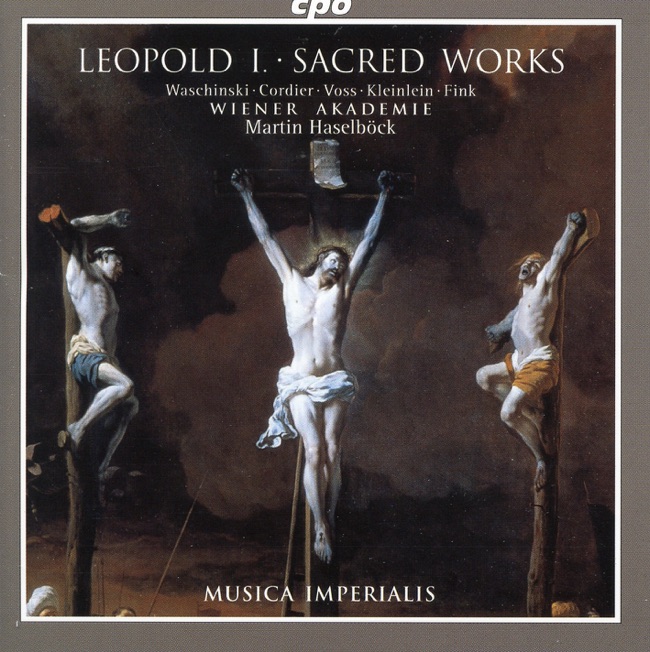
Composer:Leopold IStyle:MotetAverage_duration:11:45Motetto de Septem Doloribus Beatae Mariae Virginis is a sacred choral work composed by Leopold I, Holy Roman Emperor, in the late 17th century. The piece was composed in honor of the Seven Sorrows of the Blessed Virgin Mary, a devotion that was popular in the Catholic Church during the Baroque period. The motet was likely composed in the 1680s or 1690s, during Leopold's reign as Holy Roman Emperor. It was first performed in Vienna, likely in the court chapel, although the exact premiere date is unknown. The motet is divided into seven movements, each corresponding to one of the Seven Sorrows of Mary. The movements are as follows: 1. "Stabat Mater" - This movement sets the scene for the work, with the text describing Mary standing at the foot of the cross as her son is crucified. 2. "Vidit suum dulcem natum" - This movement describes Mary's sorrow as she sees her son's body taken down from the cross. 3. "Quis est homo qui non fleret" - This movement asks the rhetorical question of who could witness Mary's sorrow and not weep. 4. "Eia Mater, fons amoris" - This movement is a prayer to Mary, asking her to intercede on behalf of sinners. 5. "Fac me tecum pie flere" - This movement asks Mary to help the singer weep for their sins. 6. "Virgo virginum praeclara" - This movement praises Mary as the most glorious of all virgins. 7. "Fac ut ardeat cor meum" - This final movement is a prayer for Mary to help the singer's heart burn with love for God. The motet is characterized by its rich harmonies and expressive melodies, which are typical of the Baroque period. The text is set in a polyphonic style, with multiple voices singing different lines of text simultaneously. The work is also notable for its use of chromaticism, which adds a sense of tension and drama to the music. Overall, Motetto de Septem Doloribus Beatae Mariae Virginis is a powerful and moving work that reflects the deep devotion to Mary that was common in the Catholic Church during the Baroque period.More....
Works Music