


Leopold I
Released Album
Vocal
-
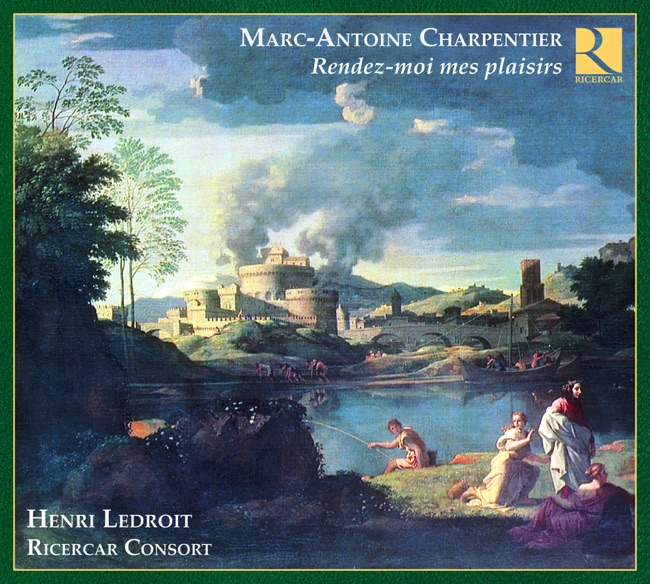 March 10, 2009
 -
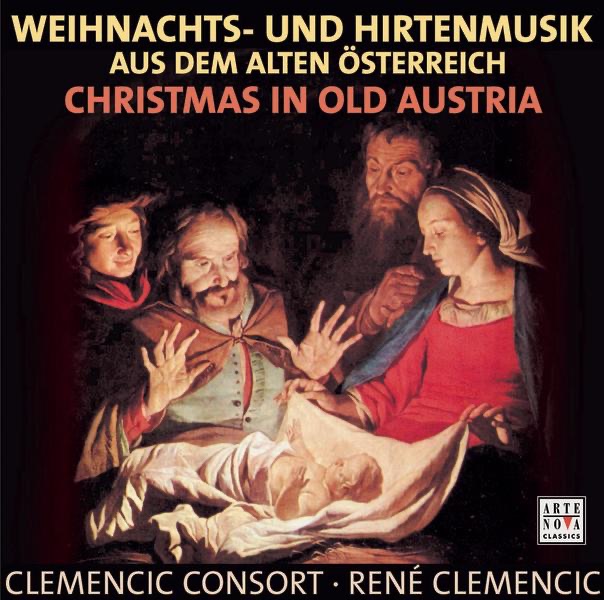 September 12, 2006
Choral
-
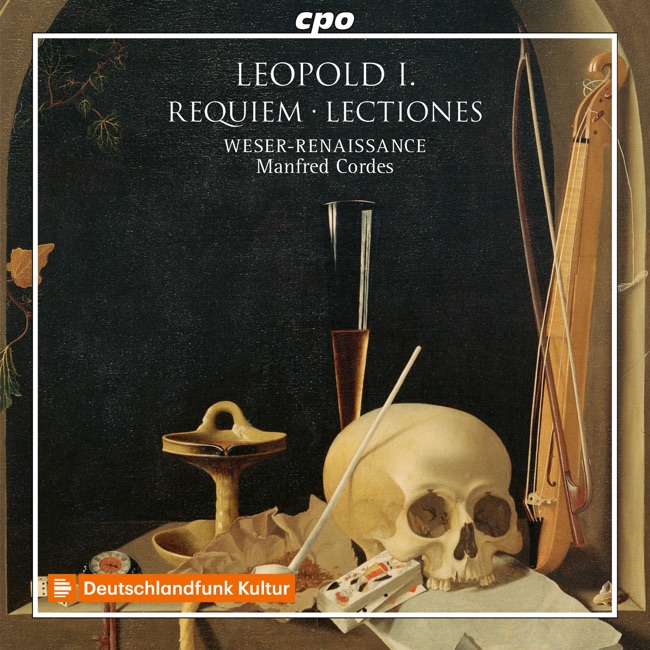 March 27, 2023
 -
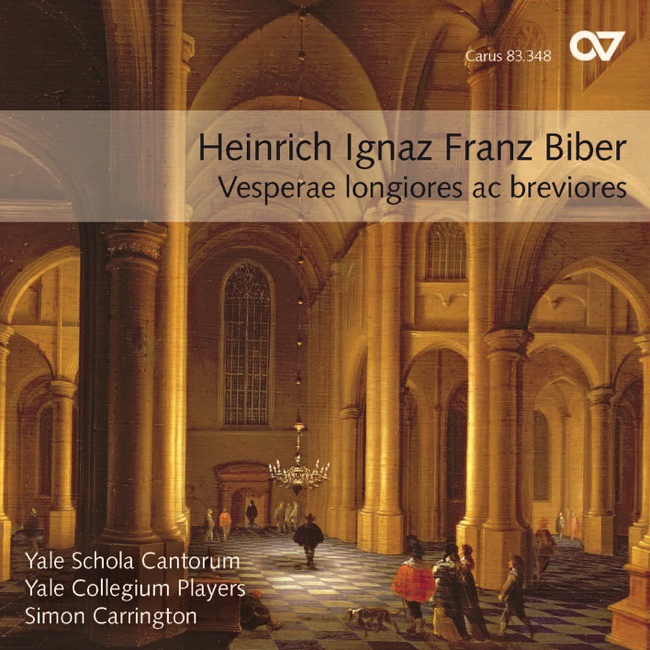 May 31, 2011
Artist Info
Role:ComposerCountry: ItalyBirth:June 9, 1640Death:May 5, 1705Period:BaroqueGenre:ChoralLeopold I, also known as Leopold Ignaz Joseph Balthasar Felician, was a composer and Holy Roman Emperor who was born on June 9, 1640, in Vienna, Austria. He was the second son of Emperor Ferdinand III and his first wife, Maria Anna of Spain. Leopold I was born into a family of musicians, and his father was a patron of the arts who encouraged his children to pursue music. Leopold I began his musical education at a young age, studying with the court composer Antonio Bertali. He also received instruction from Johann Kaspar Kerll, a renowned composer and organist. Leopold I showed great talent as a musician, and he quickly became proficient in playing the violin, harpsichord, and organ. In 1656, Leopold I was appointed as the Archduke of Austria, and he began to take a more active role in the court's musical activities. He became a patron of the arts, commissioning works from composers such as Heinrich Ignaz Franz von Biber and Johann Heinrich Schmelzer. Leopold I also began to compose his own music, and he wrote a number of works for the court's musical ensembles. One of Leopold I's most significant contributions to music was his patronage of the Vienna Court Orchestra. He expanded the orchestra's size and repertoire, and he encouraged the development of new musical forms and styles. Under his leadership, the orchestra became one of the most renowned in Europe, and it attracted many of the era's greatest musicians. Leopold I's compositions were influenced by the music of his time, which was characterized by the Baroque style. His works were often written for the church, and they featured elaborate counterpoint and rich harmonies. Leopold I's music was also notable for its use of the violin, which he played himself. One of Leopold I's most famous works is his Missa Solemnis, which was composed in 1667. The mass is a grand and elaborate work that features intricate counterpoint and rich harmonies. It was written for the court's chapel, and it was performed on many important occasions. Another notable work by Leopold I is his Sonata Piena, which was composed for the violin and basso continuo. The sonata is a virtuosic work that showcases the violin's capabilities, and it is still performed today. Leopold I's contributions to music were not limited to his compositions. He also played an important role in the development of opera, which was a new and emerging art form in the 17th century. Leopold I was a patron of the Vienna Court Opera, and he commissioned many new works for the company. He also encouraged the development of new musical forms, such as the opera seria, which became popular throughout Europe. Leopold I's legacy as a composer and patron of the arts is still felt today. His contributions to music helped to shape the Baroque era, and his influence can be seen in the works of many composers who came after him. His dedication to the arts also helped to establish Vienna as a center of musical excellence, a reputation that the city still enjoys today. In conclusion, Leopold I was a composer and Holy Roman Emperor who made significant contributions to the development of music in the Baroque era. He was born into a family of musicians and received a thorough musical education. He became a patron of the arts and encouraged the development of new musical forms and styles. Leopold I's compositions were notable for their elaborate counterpoint and rich harmonies, and he played an important role in the development of opera.More....
Recent Artist Music
10
1:11
Copyright Ⓒ 2013 Davinci Finger. All rights reseved
Service Terms & Policy