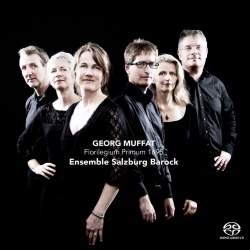
Georg Muffat
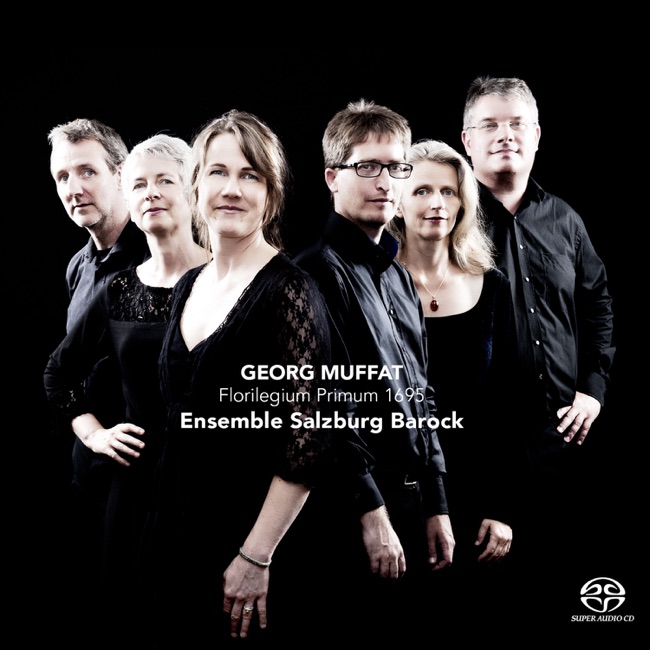
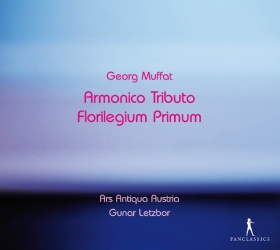
Florilegium Primum
Released Album
Recent Album
Featured Album
Works Info
Composer:Georg MuffatGenre:OrchestralStyle:OrchestralPublication Date:1695Average_duration:9:00Georg Muffat's 'Florilegium Primum' is a collection of instrumental music that was composed in 1695. The premiere of the work is not known, but it was likely performed in Salzburg, where Muffat was working at the time. The collection consists of seven movements, each of which is based on a different dance form. The first movement is a French overture, which was a popular form in the Baroque era. It begins with a slow, majestic section, followed by a faster, more lively section. The second movement is a courante, a fast dance in triple meter. The third movement is a sarabande, a slow dance in triple meter that was originally from Spain. The fourth movement is a gavotte, a lively dance in duple meter that was popular in France. The fifth movement is a minuet, a dance in triple meter that was also popular in France. The sixth movement is a bourrée, a fast dance in duple meter that was popular in France and England. The final movement is a chaconne, a dance in triple meter that was originally from Spain. One of the characteristics of 'Florilegium Primum' is its use of dance forms. Muffat was influenced by the French style of music, which was characterized by its use of dance forms. Each movement of the collection is based on a different dance form, which gives the work a sense of unity and coherence. Another characteristic of the work is its use of counterpoint. Muffat was a skilled contrapuntist, and he uses counterpoint throughout the collection to create complex and interesting textures. The use of counterpoint also gives the work a sense of depth and complexity. Overall, 'Florilegium Primum' is a fine example of Baroque instrumental music. Its use of dance forms and counterpoint make it a rich and rewarding listening experience.More....
Works Music
Released Music
Featured Music