Tomás Luis de Victoria
Regina coeli, antiphon for 5 voices
Released Album
Recent Album
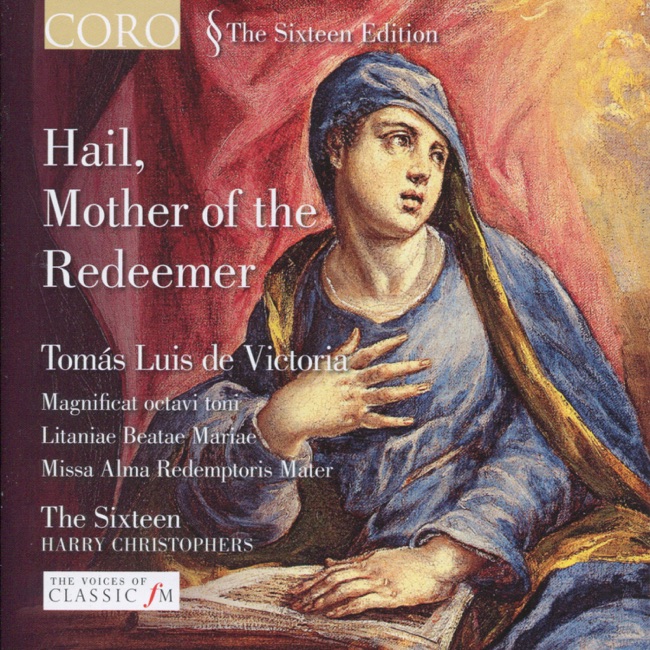
Featured Album

Works Info
Composer:Tomás Luis de VictoriaGenre:ChoralStyle:ChoralCompose Date:1572Average_duration:3:49Tomás Luis de Victoria was a Spanish composer of the Renaissance period, known for his sacred music. One of his most famous works is the "Regina coeli, antiphon for 5 voices," which was composed in the late 16th century. The "Regina coeli" is a Marian antiphon, a hymn dedicated to the Virgin Mary. It is traditionally sung during the Easter season, from Easter Sunday until Pentecost. Victoria's setting of the "Regina coeli" is written for five voices, with two sopranos, alto, tenor, and bass. The piece is divided into four movements, each with its own distinct character. The first movement is a joyful and exuberant setting of the antiphon, with the voices weaving in and out of each other in intricate counterpoint. The second movement is a more subdued and contemplative setting of the text, with the voices singing in a more homophonic style. The third movement is a lively and rhythmic setting of the text "Gaude et laetare, Virgo Maria" (Rejoice and be glad, Virgin Mary), with the voices bouncing off each other in a playful and joyful manner. The final movement is a grand and majestic setting of the text "Ora pro nobis Deum" (Pray for us to God), with the voices soaring to great heights in a triumphant and powerful conclusion. Victoria's setting of the "Regina coeli" is characterized by its rich harmonies, intricate counterpoint, and expressive use of text painting. The piece is a testament to Victoria's skill as a composer and his deep devotion to the Catholic faith. The "Regina coeli, antiphon for 5 voices" was first performed in the late 16th century, and it remains a beloved piece of sacred music to this day. Its timeless beauty and spiritual depth continue to inspire and uplift listeners around the world.More....
Works Music
Released Music
Featured Music