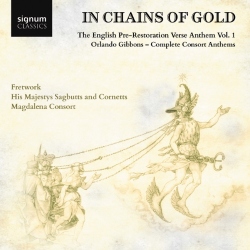
Orlando Gibbons
Sing unto the Lord, O ye saints
Released Album
Recent Album
Featured Album
Works Info
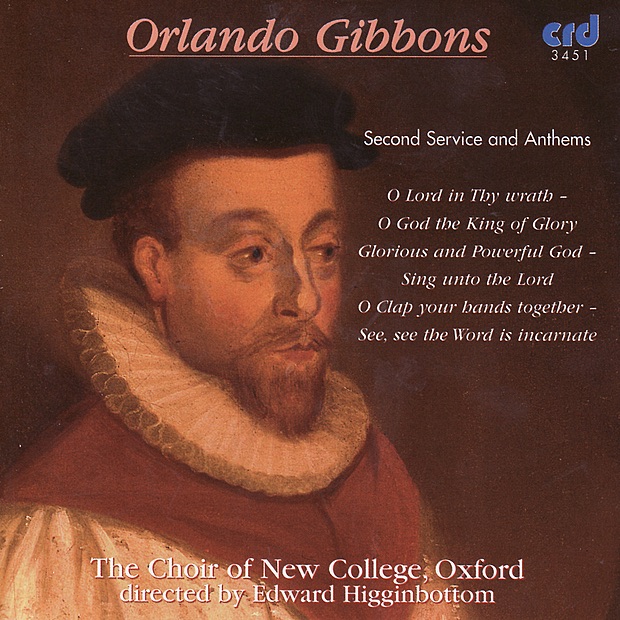
Composer:Orlando GibbonsGenre:ChoralStyle:AnthemAverage_duration:5:40Orlando Gibbons was an English composer of the Renaissance era, born in 1583. He was a prominent figure in the English Church music scene, and his works were widely performed during his lifetime. One of his most famous compositions is "Sing unto the Lord, O ye saints," a sacred choral work that was first performed in the early 17th century. "Sing unto the Lord, O ye saints" is a five-movement work that is scored for four voices (soprano, alto, tenor, and bass) and organ. The piece is based on Psalm 149, which is a hymn of praise to God. Each movement of the work is based on a different section of the psalm, and Gibbons uses a variety of musical techniques to convey the text's meaning. The first movement of the work is a joyful and exuberant setting of the opening verses of Psalm 149. Gibbons uses a lively and rhythmic melody to convey the sense of celebration and praise that is expressed in the text. The second movement is a more reflective setting of the psalm's middle verses, which speak of the power of God and the defeat of the enemies of the faithful. Gibbons uses a slower tempo and more somber harmonies to convey the sense of awe and reverence that is expressed in the text. The third movement of the work is a lively and rhythmic setting of the psalm's final verses, which call on the faithful to praise God with music and dance. Gibbons uses a lively and syncopated melody to convey the sense of joy and celebration that is expressed in the text. The fourth movement is a more contemplative setting of the psalm's final verses, which speak of the glory of God and the exaltation of the faithful. Gibbons uses a slower tempo and more complex harmonies to convey the sense of awe and wonder that is expressed in the text. The final movement of the work is a triumphant setting of the psalm's final verses, which call on all creation to praise God. Gibbons uses a grand and majestic melody to convey the sense of awe and reverence that is expressed in the text. The piece ends with a powerful and joyful Amen, which brings the work to a rousing conclusion. "Sing unto the Lord, O ye saints" was first performed in the early 17th century, and it quickly became one of Gibbons' most popular works. Its lively and joyful melodies, combined with its powerful and contemplative harmonies, make it a masterpiece of English Church music. Today, it is still widely performed and admired by musicians and audiences alike.More....