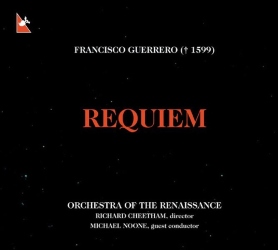
Francisco Guerrero
Missa pro defunctis (ii)
Released Album
Recent Album

Works Info
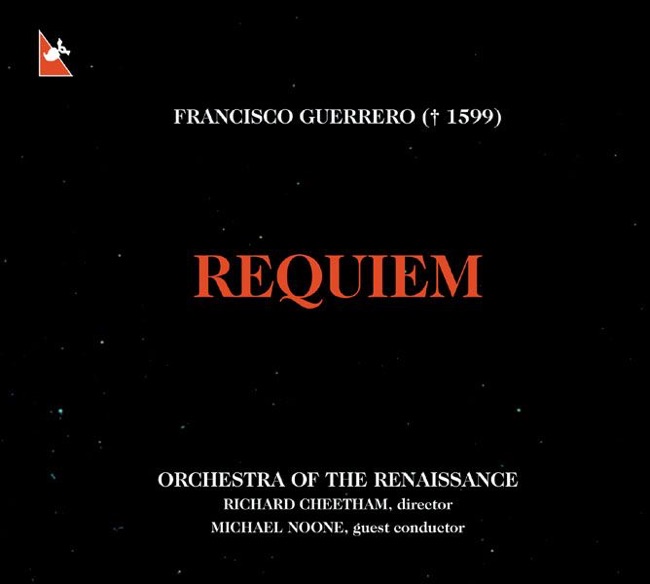
Composer:Francisco GuerreroGenre:ChoralStyle:ChoralCompose Date:1582Francisco Guerrero's 'Missa pro defunctis (ii)' is a polyphonic requiem mass composed in the late Renaissance period. The exact date of composition is unknown, but it is believed to have been written in the late 16th century. The mass was first performed in Seville, Spain, where Guerrero was a prominent composer and musician. The 'Missa pro defunctis (ii)' consists of six movements: Introitus, Kyrie, Graduale, Offertorium, Sanctus-Benedictus, and Agnus Dei. The Introitus is a somber and mournful opening, setting the tone for the rest of the mass. The Kyrie is a plea for mercy and forgiveness, while the Graduale is a gradual increase in intensity and emotion. The Offertorium is a prayer for the dead, and the Sanctus-Benedictus is a joyful celebration of the glory of God. The Agnus Dei is a final plea for mercy and peace. The 'Missa pro defunctis (ii)' is characterized by its use of polyphony, which is the combination of multiple independent melodies. Guerrero's use of polyphony creates a rich and complex texture, with each voice contributing to the overall sound. The mass also features a variety of vocal ranges, from the low bass to the high soprano, creating a dynamic and varied sound. Overall, the 'Missa pro defunctis (ii)' is a powerful and emotional work, reflecting Guerrero's skill as a composer and his deep faith. It remains a popular piece in the choral repertoire, and is often performed at funerals and memorial services.More....
Works Music
Released Music