Guillaume de Machaut
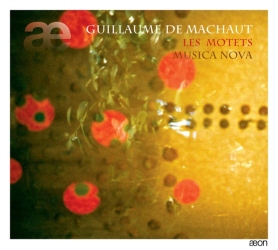
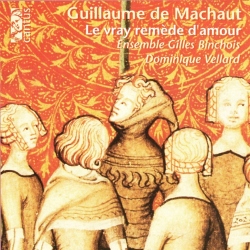
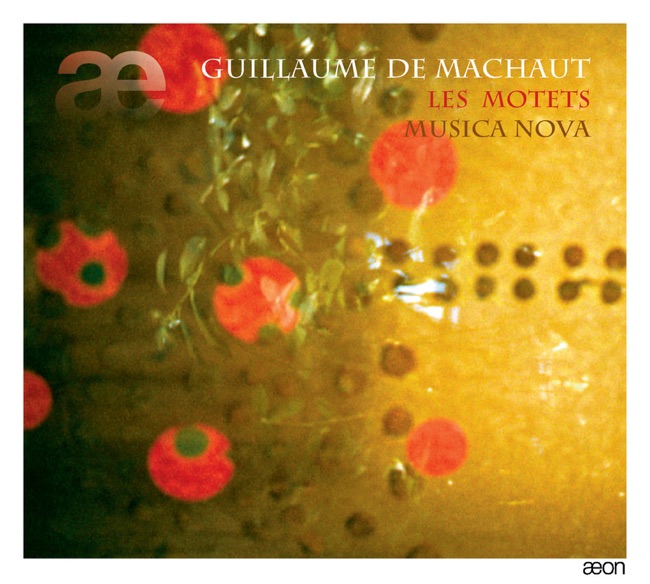
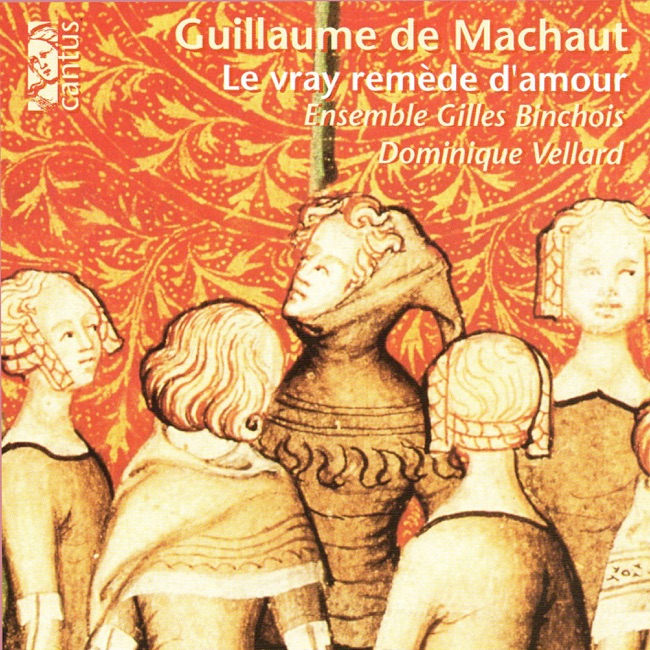
Amours qui ha le povoir/Faus samblant/Vidi dominum
Released Album
Recent Album
Works Info
Composer:Guillaume de MachautGenre:ChoralStyle:MotetAverage_duration:3:43Guillaume de Machaut was a French poet and composer of the 14th century. He is considered one of the most important composers of the Ars Nova style, which was characterized by complex rhythms and harmonies. One of his most famous works is the motet "Amours qui ha le povoir/Faus samblant/Vidi dominum," which was composed around 1350. The motet is written for three voices and is divided into three movements. The first movement, "Amours qui ha le povoir," is a love song that praises the power of love. The second movement, "Faus samblant," is a lament about the deceitfulness of appearances. The third movement, "Vidi dominum," is a hymn that celebrates the resurrection of Christ. The first movement is in the form of a rondeau, a popular French poetic form. The melody is simple and repetitive, with the voices taking turns singing the same phrases. The lyrics describe the power of love to conquer all obstacles and bring joy to the heart. The harmonies are rich and complex, with dissonances that create tension and release. The second movement is in the form of a ballade, another French poetic form. The melody is more complex than the first movement, with the voices weaving in and out of each other. The lyrics describe the pain of being deceived by appearances and the longing for truth. The harmonies are more dissonant than the first movement, reflecting the emotional turmoil of the lyrics. The third movement is in the form of a virelai, another French poetic form. The melody is simple and joyful, with the voices singing in unison for much of the piece. The lyrics celebrate the resurrection of Christ and the victory over death. The harmonies are more consonant than the second movement, reflecting the joy and hope of the lyrics. Overall, "Amours qui ha le povoir/Faus samblant/Vidi dominum" is a masterpiece of the Ars Nova style. It showcases Machaut's skill as a composer and his ability to create complex harmonies and rhythms. The lyrics are poetic and emotional, reflecting the themes of love, deceit, and redemption. The motet remains a beloved work of medieval music to this day.More....
Works Music
Released Music