


Carlo Gesualdo
Beltà, poi che t'assenti, W. 6/16
Released Album
Recent Album

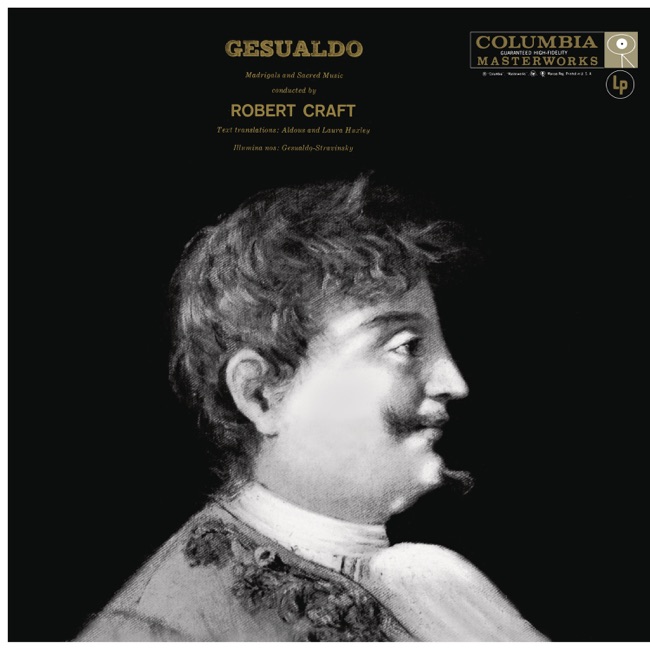
Featured Album
Works Info
Composer:Carlo GesualdoGenre:VocalStyle:MadrigalCompose Date:1611Average_duration:3:39Carlo Gesualdo's 'Beltà, poi che t'assenti' is a madrigal composed in the late 16th century. The piece was first published in 1611 as part of Gesualdo's sixth book of madrigals. The madrigal is written for five voices and is known for its complex harmonies and dissonances. The piece is divided into three movements, each with its own distinct character. The first movement is slow and mournful, with the voices singing in a homophonic texture. The second movement is faster and more lively, with the voices weaving in and out of each other in a polyphonic texture. The final movement returns to the slow and mournful character of the first movement, with the voices singing in a homophonic texture once again. The text of the madrigal is a lament for the absence of beauty. The speaker addresses beauty directly, asking why it has left and expressing the pain and sorrow that its absence has caused. The text is full of vivid imagery, with the speaker describing the world as dark and desolate without beauty's presence. Gesualdo's use of harmony in the piece is particularly striking. He employs dissonances and chromaticism to create a sense of tension and unease, which reflects the emotional content of the text. The piece is also notable for its use of word painting, with the music mirroring the meaning of the text in various ways. Overall, 'Beltà, poi che t'assenti' is a powerful and emotionally charged work that showcases Gesualdo's unique style and innovative approach to harmony. Its complex textures and vivid imagery make it a standout piece in the madrigal repertoire.More....
Works Music
Released Music

8
2:33
10
3:31
Featured Music
1
Beauty, then you're absent, W. 6/16
Beltà, poi che t'assenti (Madrigali a cinque voci, Libro sesto)
3:1