Jan Baptist Verrijt
Cantate Domino canticum novum, Op. 5/15
Released Album
Recent Album
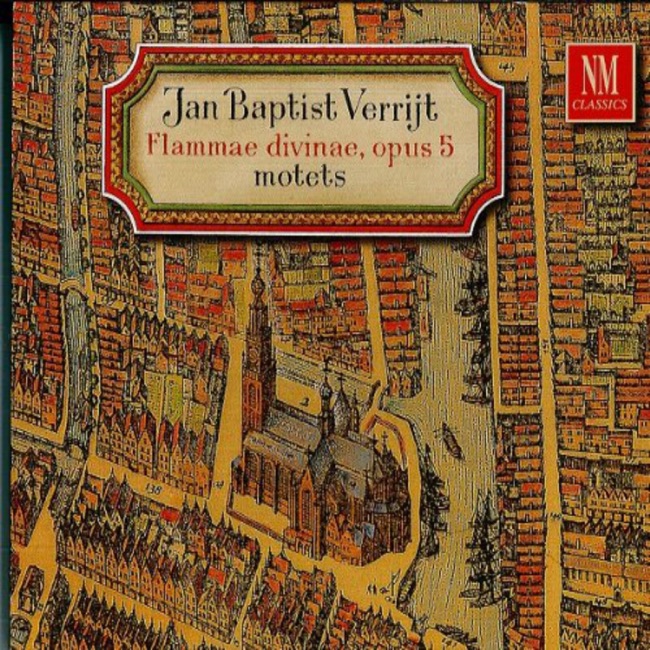
Works Info
Composer:Jan Baptist VerrijtGenre:VocalStyle:SongCompose Date:1649Average_duration:2:02Jan Baptist Verrijt was a Dutch composer who lived from 1600 to 1650. He was a prolific composer of sacred music, and his works were widely performed in churches throughout the Netherlands during his lifetime. One of his most famous works is the Cantate Domino canticum novum, Op. 5/15, which was composed in the early 17th century. The Cantate Domino canticum novum is a sacred choral work that is based on Psalm 96. It is written for four voices (soprano, alto, tenor, and bass) and is divided into three movements. The work is characterized by its use of polyphonic textures, which allow the different voices to weave in and out of each other in a complex and intricate way. The first movement of the Cantate Domino canticum novum is a lively and energetic setting of the opening verses of Psalm 96. The music is characterized by its use of imitative counterpoint, in which the different voices take turns singing the same melody in a staggered fashion. This creates a sense of momentum and forward motion that propels the music forward. The second movement of the Cantate Domino canticum novum is a slower and more contemplative setting of the middle verses of Psalm 96. The music is characterized by its use of homophonic textures, in which all the voices sing the same melody at the same time. This creates a sense of unity and harmony that reflects the peaceful and meditative nature of the text. The third movement of the Cantate Domino canticum novum is a joyful and exuberant setting of the closing verses of Psalm 96. The music is characterized by its use of syncopated rhythms and lively dance-like melodies. This creates a sense of celebration and rejoicing that reflects the triumphant nature of the text. The Cantate Domino canticum novum was first performed in the early 17th century, and it quickly became one of Verrijt's most popular works. Its use of complex polyphonic textures and lively rhythms made it a favorite among choirs and audiences alike, and it continues to be performed and enjoyed to this day.More....
Works Music