


Johann Christian Bach
Symphony for orchestra "No. 3" in E flat major, Op. 3/3, CW C3a (T. 262/7)
Released Album
Recent Album
-
-
-
 Various ArtistsNovember 28, 2008
 -
Featured Album
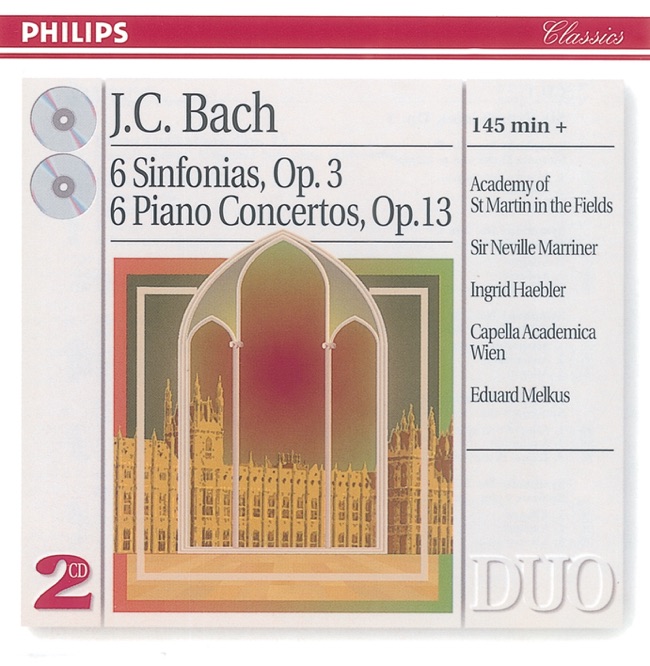
Works Info
Composer:Johann Christian BachGenre:SymphonyStyle:SymphonyCompose Date:before 1765Publication Date:1765First Performance:1765Average_duration:10:15Movement_count:3Movement ....Johann Christian Bach's Symphony for Orchestra No. 3 in E flat major, Op. 3/3, CW C3a (T. 262/7) was composed in the mid-18th century. It premiered in London in 1765, where Bach was working as a composer and conductor for the King's Theatre. The symphony is comprised of three movements: Allegro con brio, Andante, and Presto. The first movement, Allegro con brio, is characterized by its lively tempo and energetic rhythms. The opening theme is introduced by the strings and is then developed throughout the movement by the various sections of the orchestra. The use of syncopation and sudden dynamic changes adds to the excitement of the movement. The second movement, Andante, is a slower, more lyrical piece. The strings take center stage in this movement, with a simple yet beautiful melody that is passed between the different sections of the orchestra. The use of chromaticism and unexpected harmonies adds depth and complexity to the piece. The final movement, Presto, is a fast and lively piece that brings the symphony to a thrilling conclusion. The use of counterpoint and imitation between the different sections of the orchestra creates a sense of unity and cohesion. The movement is characterized by its driving rhythms and playful melodies. Overall, Bach's Symphony for Orchestra No. 3 in E flat major is a prime example of the classical symphony form. It showcases Bach's skill as a composer and his ability to create music that is both technically impressive and emotionally engaging. The symphony is a testament to Bach's legacy as one of the most important composers of the 18th century.More....
Works Music
Released Music
1
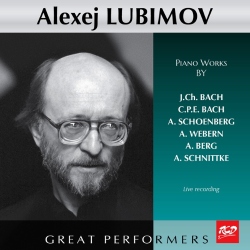
Symphony for orchestra "No. 3" in E flat major, Op. 3/3, CW C3a (T. 262/7)
I. Allegro di molto
3:39
2
Symphony for orchestra "No. 3" in E flat major, Op. 3/3, CW C3a (T. 262/7)
1. Allegro di molto
4:16
3
Symphony for orchestra "No. 3" in E flat major, Op. 3/3, CW C3a (T. 262/7)
1. Allegro con brio
4:17
4
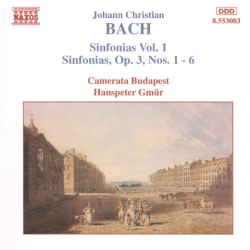
4:4
Featured Music
1
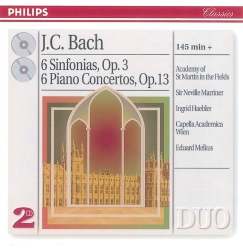
Symphony for orchestra "No. 3" in E flat major, Op. 3/3, CW C3a (T. 262/7)
1. Allegro di molto
4:16
2
2:45
3
2:9