Alexander Scriabin
Prelude for piano in G flat major, Op. 16/3
Released Album
Recent Album

Works Info
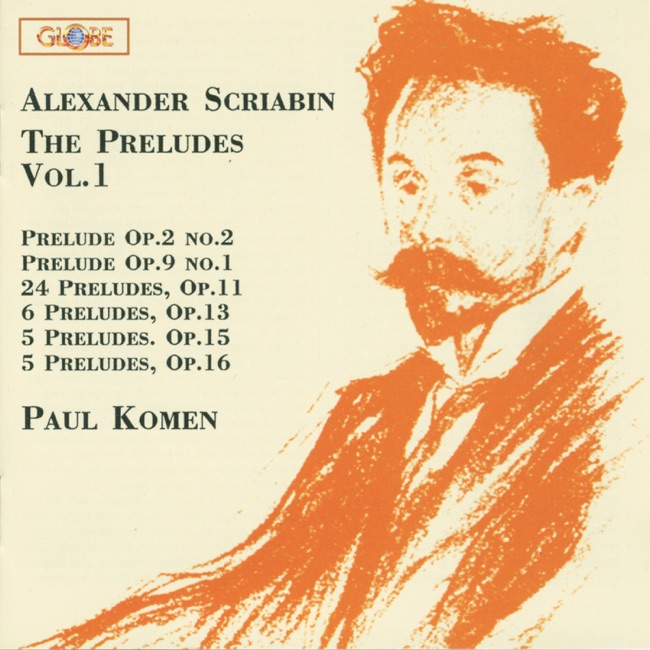
Composer:Alexander ScriabinGenre:KeyboardStyle:PreludeCompose Date:1894 - 1895Average_duration:2:17Alexander Scriabin's Prelude for piano in G flat major, Op. 16/3, was composed in 1894 and premiered the same year in Moscow. The piece is part of a set of 24 preludes, each in a different key, that Scriabin composed between 1894 and 1895. The Prelude in G flat major is a short, lyrical piece that showcases Scriabin's unique harmonic language and his use of chromaticism. The piece is in ternary form, with a gentle, flowing melody in the A section that is contrasted by a more agitated, virtuosic B section. The piece ends with a return to the A section, but with a more elaborate and ornamented version of the melody. One of the most striking characteristics of Scriabin's Prelude in G flat major is its use of harmony. Scriabin was known for his innovative approach to harmony, which often involved the use of complex chords and chromaticism. In this piece, he uses a variety of chords, including augmented triads, diminished seventh chords, and dominant seventh chords with added ninths and elevenths. These chords create a sense of tension and release that is characteristic of Scriabin's music. Another characteristic of Scriabin's Prelude in G flat major is its use of rubato. Scriabin was known for his expressive and flexible approach to rhythm, and this piece is no exception. The performer is encouraged to take liberties with the tempo, slowing down and speeding up as necessary to bring out the expressive qualities of the music. Overall, Scriabin's Prelude for piano in G flat major, Op. 16/3, is a beautiful and expressive piece that showcases the composer's unique harmonic language and his innovative approach to rhythm and expression.More....
Works Music
Released Music

2
2:7