Hanns Eisler
Die Mutter, Op. 25
Released Album
Recent Album


Works Info
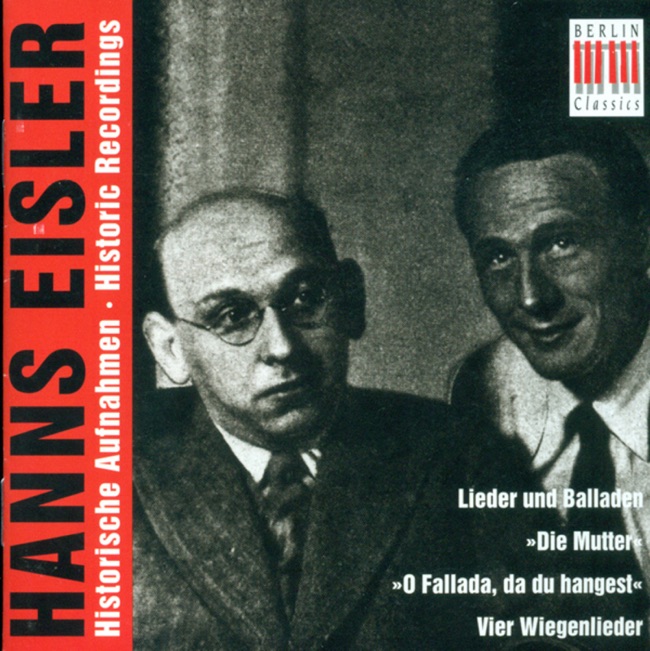
Composer:Hanns EislerGenre:MiscellaneousStyle:MiscellaneousAverage_duration:34:48Die Mutter, Op. 25 is a cantata composed by Hanns Eisler in 1931-1932. The piece was premiered in Berlin on May 1, 1932, to commemorate International Workers' Day. The cantata is based on the novel "The Mother" by Maxim Gorky, which tells the story of a mother who becomes involved in the revolutionary movement in Russia. The cantata consists of six movements, each of which represents a different aspect of the story. The first movement, "The Mother's Awakening," begins with a solo soprano singing a mournful melody, which is then taken up by the choir. The music gradually builds in intensity, reflecting the mother's growing awareness of the injustices around her. The second movement, "The Struggle," is a lively and rhythmic piece that represents the revolutionary movement. The music is characterized by driving rhythms and dissonant harmonies, reflecting the chaos and violence of the struggle. The third movement, "The Mother's Lament," is a slow and mournful piece that features a solo alto singing a plaintive melody. The music is characterized by long, sustained notes and a sense of melancholy. The fourth movement, "The Mother's Decision," is a dramatic and intense piece that features a solo tenor singing a powerful melody. The music is characterized by sudden shifts in dynamics and tempo, reflecting the mother's decision to join the revolutionary movement. The fifth movement, "The Mother's Triumph," is a triumphant and celebratory piece that features the choir singing a joyful melody. The music is characterized by bright harmonies and a sense of optimism. The final movement, "The Mother's Death," is a somber and reflective piece that features a solo soprano singing a mournful melody. The music is characterized by slow, mournful harmonies and a sense of finality. Overall, Die Mutter, Op. 25 is a powerful and emotionally charged work that reflects the political and social turmoil of the time. The music is characterized by a wide range of emotions, from sorrow and despair to triumph and hope, and is a testament to Eisler's skill as a composer.More....
Works Music
Released Music