Cortona Codex Anonymous
Oi me lasso
Released Album
Recent Album
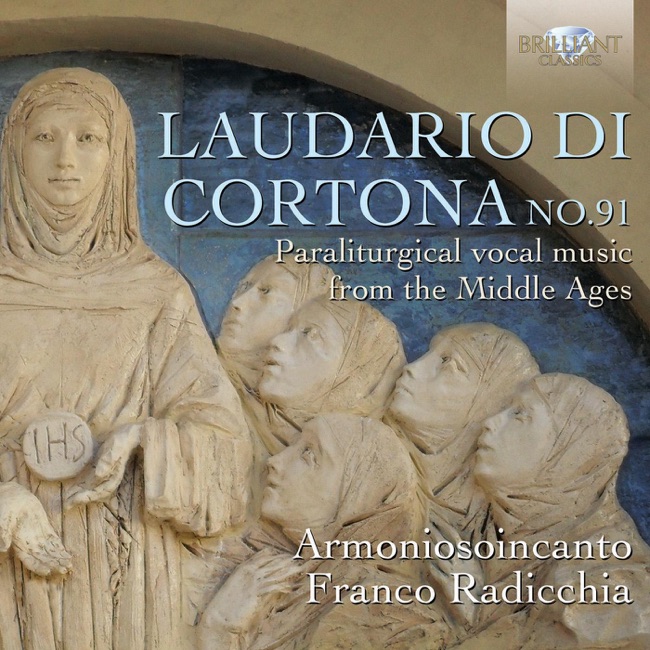
Works Info
Composer:Cortona Codex AnonymousGenre:VocalStyle:Vocal MusicAverage_duration:3:28"Oi me lasso" is a secular song composed by an anonymous composer in the Cortona Codex, a collection of music manuscripts from the 14th century. The exact date of composition is unknown, but it is believed to have been written in the mid-14th century. The song is written in the Italian language and is classified as a ballata, a type of secular song popular in Italy during the 14th century. It is a three-voice composition, with the melody sung by the top voice and the other two voices providing accompaniment. The premiere of "Oi me lasso" is also unknown, but it is likely that it was performed in the courts of Italian nobility during the 14th century. The song's popularity is evidenced by its inclusion in the Cortona Codex, which was compiled in the mid-14th century and contains a collection of secular and sacred music. "Oi me lasso" is characterized by its melancholic and plaintive melody, which is typical of the ballata genre. The lyrics express the sorrow and longing of a lover who has been abandoned by their beloved. The title of the song, "Oi me lasso," translates to "Oh, woe is me" in English, further emphasizing the song's mournful tone. The song is divided into three movements, each with its own distinct melody and lyrics. The first movement introduces the theme of the song, with the lover lamenting their abandonment and expressing their sorrow. The second movement features a more upbeat melody, but the lyrics continue to express the lover's sadness and longing. The final movement returns to the mournful melody of the first movement, with the lover expressing their despair and hopelessness. Overall, "Oi me lasso" is a beautiful and poignant example of the ballata genre, showcasing the emotional depth and musical sophistication of Italian secular music during the 14th century.More....