William Byrd
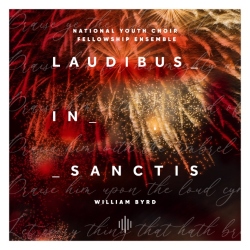
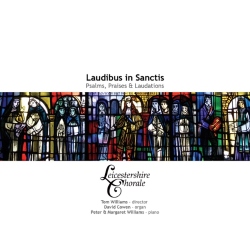
Laudibus in sanctus
Released Album
Recent Album


Featured Album
Works Info
Composer:William ByrdGenre:ChoralStyle:MotetCompose Date:ca. 1580Average_duration:5:37'Laudibus in sanctus' is a sacred choral work composed by William Byrd, an English composer of the Renaissance era. The piece was composed in the late 16th century, around 1590, during the reign of Queen Elizabeth I. It was first performed in the Chapel Royal, London, and was later published in Byrd's collection of Gradualia in 1605. 'Laudibus in sanctus' is a motet, a type of choral composition that sets a sacred text to music. The text of the piece is taken from the Latin liturgy and praises God in the Sanctus section of the Mass. The piece is written for four-part choir, with the soprano, alto, tenor, and bass voices each singing their own part. The piece is divided into three movements, each with its own distinct character. The first movement is marked "Allegro," and is characterized by its lively tempo and rhythmic energy. The second movement is marked "Adagio," and is slower and more contemplative in nature. The final movement is marked "Allegro," and returns to the lively tempo and rhythmic energy of the first movement. The piece is notable for its use of imitative polyphony, a technique in which each voice enters in turn with the same or similar melody. This creates a rich and complex texture, with each voice contributing to the overall harmony of the piece. Byrd also makes use of chromaticism, a technique in which notes outside of the diatonic scale are used to create tension and interest. Overall, 'Laudibus in sanctus' is a masterful example of Renaissance choral music, showcasing Byrd's skill as a composer and his deep devotion to the sacred music of his time. Its lively rhythms, complex harmonies, and rich textures make it a beloved piece among choral musicians and audiences alike.More....