Alfonso Ferrabosco
Four-note pavan
Released Album
Recent Album




Works Info
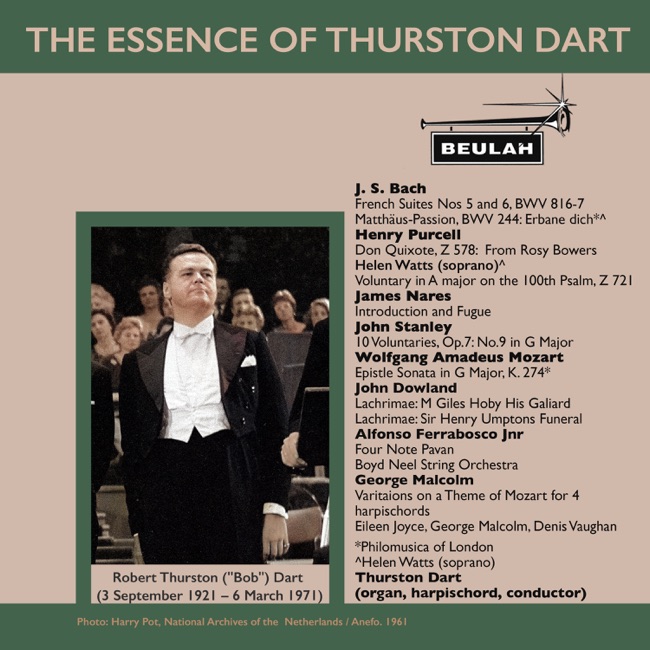
Composer:Alfonso FerraboscoGenre:OrchestralStyle:PavaneAverage_duration:3:23The "Four-note pavan" is a composition by Alfonso Ferrabosco, an English composer of Italian descent who lived from 1543 to 1588. The piece was composed in the late 16th century and is believed to have been premiered during Ferrabosco's lifetime. The "Four-note pavan" is a dance piece that consists of four movements. The first movement is a slow and stately pavan, which is followed by three faster and more lively galliards. The pavan is a courtly dance that was popular in the Renaissance period, while the galliard is a more energetic dance that was often performed after the pavan. The "Four-note pavan" is characterized by its use of a four-note motif that is repeated throughout the piece. This motif is introduced in the opening bars of the pavan and is then developed and varied in each of the subsequent movements. The use of a recurring motif is a common feature of Renaissance dance music, and it serves to unify the different movements of the piece. In addition to its use of a recurring motif, the "Four-note pavan" is also notable for its use of counterpoint. Ferrabosco was a skilled contrapuntalist, and he uses this technique to create complex and intricate textures in the piece. The interplay between the different voices in the music creates a sense of depth and richness that is characteristic of Renaissance music. Overall, the "Four-note pavan" is a fine example of Renaissance dance music. Its use of a recurring motif and its intricate counterpoint make it a challenging and rewarding piece for performers and listeners alike.More....
Works Music
Released Music