Jan Ladislav Dussek
Piano Sonata in E major, Op. 10/3 (C. 62)
Released Album
Recent Album
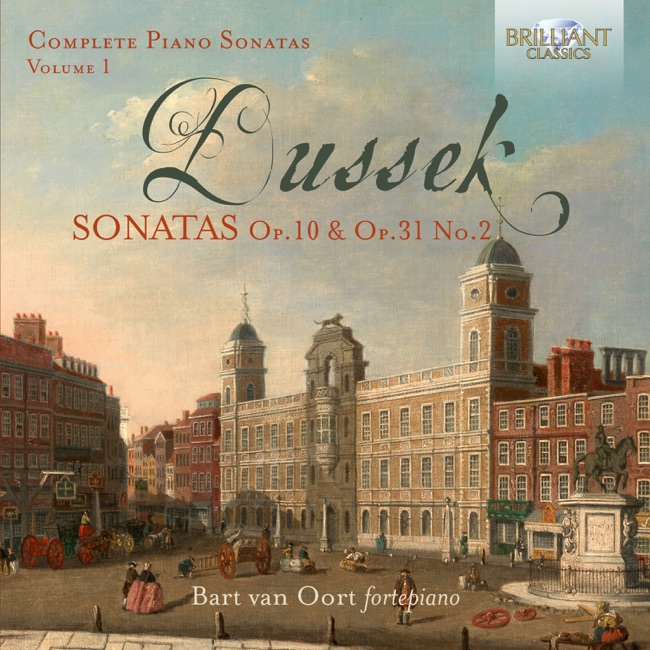
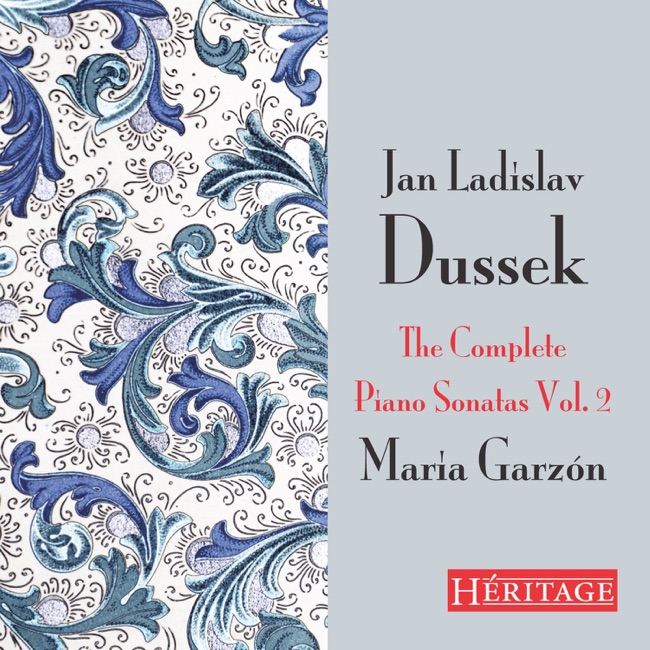
Works Info
Composer:Jan Ladislav DussekGenre:KeyboardCompose Date:1789Average_duration:17:39Movement_count:2Movement ....Jan Ladislav Dussek's Piano Sonata in E major, Op. 10/3 (C. 62) was composed in 1795 and premiered in London the same year. The sonata is comprised of three movements: I. Allegro moderato II. Adagio III. Rondo: Allegro The first movement opens with a lively and energetic theme that is developed throughout the movement. Dussek employs a variety of textures and dynamics to keep the listener engaged, including sudden shifts from forte to piano and the use of syncopation. The development section features a more lyrical theme that is explored through various key changes before returning to the original theme in the recapitulation. The second movement, Adagio, is a beautiful and expressive piece that showcases Dussek's ability to write for the piano. The melody is simple yet poignant, and the use of arpeggios and ornamentation adds depth and complexity to the piece. The middle section features a more dramatic theme that builds to a climax before returning to the original melody. The final movement, Rondo: Allegro, is a lively and playful piece that features a catchy main theme that is repeated throughout the movement. Dussek employs a variety of techniques to keep the listener engaged, including sudden changes in dynamics and tempo, as well as unexpected harmonic shifts. The movement ends with a virtuosic coda that showcases the pianist's technical abilities. Overall, Dussek's Piano Sonata in E major, Op. 10/3 (C. 62) is a well-crafted and engaging work that showcases the composer's skill as a pianist and composer. The use of varied textures, dynamics, and harmonic shifts keeps the listener engaged throughout the piece, and the virtuosic passages demonstrate Dussek's technical abilities.More....
Works Music
Released Music